Historical Background of the Giza Pyramids
The Giza Pyramids complex, a remarkable testament to ancient Egyptian civilization, emerged during the Fourth Dynasty of the Old Kingdom, approximately between 2580 and 2560 BC. These monumental structures served primarily as royal tombs, amplifying the status of the Pharaohs for whom they were constructed. Notably, the Great Pyramid of Khufu, the largest of the three, stands as a symbol of the architectural prowess and organizational methods utilized in ancient Egypt. This pyramid was designed to reflect the alignment with cardinal points and maintain intricate mathematical proportions, showcasing the advanced knowledge of geometry possessed by Egyptian builders.
The historical backdrop of the pyramids is also tied to the significance of the Pharaohs. Khufu, Khafre, and Menkaure, the three revered rulers associated with the Giza Pyramids, led remarkable reigns characterized by strength and prosperity. Each pyramid demonstrates not only their individual legacy but also the evolving architectural innovations of the era. The design transitions from the stepped structures seen in earlier pyramids to the true pyramid shape epitomized by Khufu’s colossal tomb, mark a key evolution in ancient engineering.
Furthermore, these monumental edifices served more than just funerary purposes; they embodied the Pharaoh’s divine nature and their intricate relationship with the afterlife, representing a bridge between the earthly realm and the cosmos. The construction of the Giza Pyramids necessitated a coordinated effort of thousands of skilled laborers and craftsmen, revealing insights into labor organization, resource allocation, and the social structure of the time. As such, the pyramids not only reflect architectural advancements but also offer a glimpse into the cultural and historical significance of Egypt’s Old Kingdom. Their enduring legacy continues to attract researchers and tourists alike, fostering a profound appreciation for the achievements of ancient civilizations.
Cultural Significance of the Giza Complex
The Giza Pyramids stand as monumental testaments to ancient Egyptian civilization, encapsulating its profound religious beliefs, architectural ingenuity, and social structures. These remarkable structures, especially the Great Pyramid of Khufu, served not merely as tombs for pharaohs but as gateways to the afterlife, reflecting the Egyptians’ reverence for immortality and the divine. The pyramids, adorned with intricate hieroglyphics and designed with precise geometric alignment, symbolize the zenith of ancient Egyptian artistry and engineering.
Central to the cultural fabric of ancient Egypt was the belief in the afterlife, an idea that permeated every aspect of life and death. The pyramids were constructed as part of elaborate funerary complexes that included temples and mastabas, designed to ensure the eternal passage of the pharaohs into the presence of the gods. The careful orientation of the structures was not without purpose; they were aligned with celestial bodies, thus underlining the Egyptians’ connection to the cosmos and the divine order.
The Giza Pyramids also represent the political might and organizational capabilities of the ancient Egyptian state. Their construction demanded an immense workforce and the coordination of vast resources, highlighting the society’s socio-political structures. Beyond their historical context, the pyramids have transcended time, influencing modern culture across various mediums. They feature prominently in literature, from the works of Herodotus to contemporary novels, and have been immortalized in films and documentaries. The Giza Pyramids continue to draw millions of tourists each year, serving as iconic symbols of ancient wonder while igniting the curiosity and imagination of people globally.
Hence, the cultural significance of the Giza Pyramids extends beyond their architectural splendor; they embody essential aspects of ancient Egyptian spirituality, societal organization, and their lasting influence on modern culture.
What to See and Do at the Giza Pyramids
The Giza Pyramids complex is a captivating marvel that draws visitors from around the globe, offering a glimpse into the grandeur of ancient Egyptian civilization. Among the multitude of attractions, the Great Pyramid of Khufu stands as the most iconic and the largest of the three pyramids. Originally built as a tomb for the Pharaoh Khufu, it boasts a staggering height of approximately 146 meters and is composed of over 2 million blocks of stone. Inside, the pyramid features a series of chambers, including the King’s Chamber, which houses a granite sarcophagus. Exploring this monumental structure is essential for any visitor.
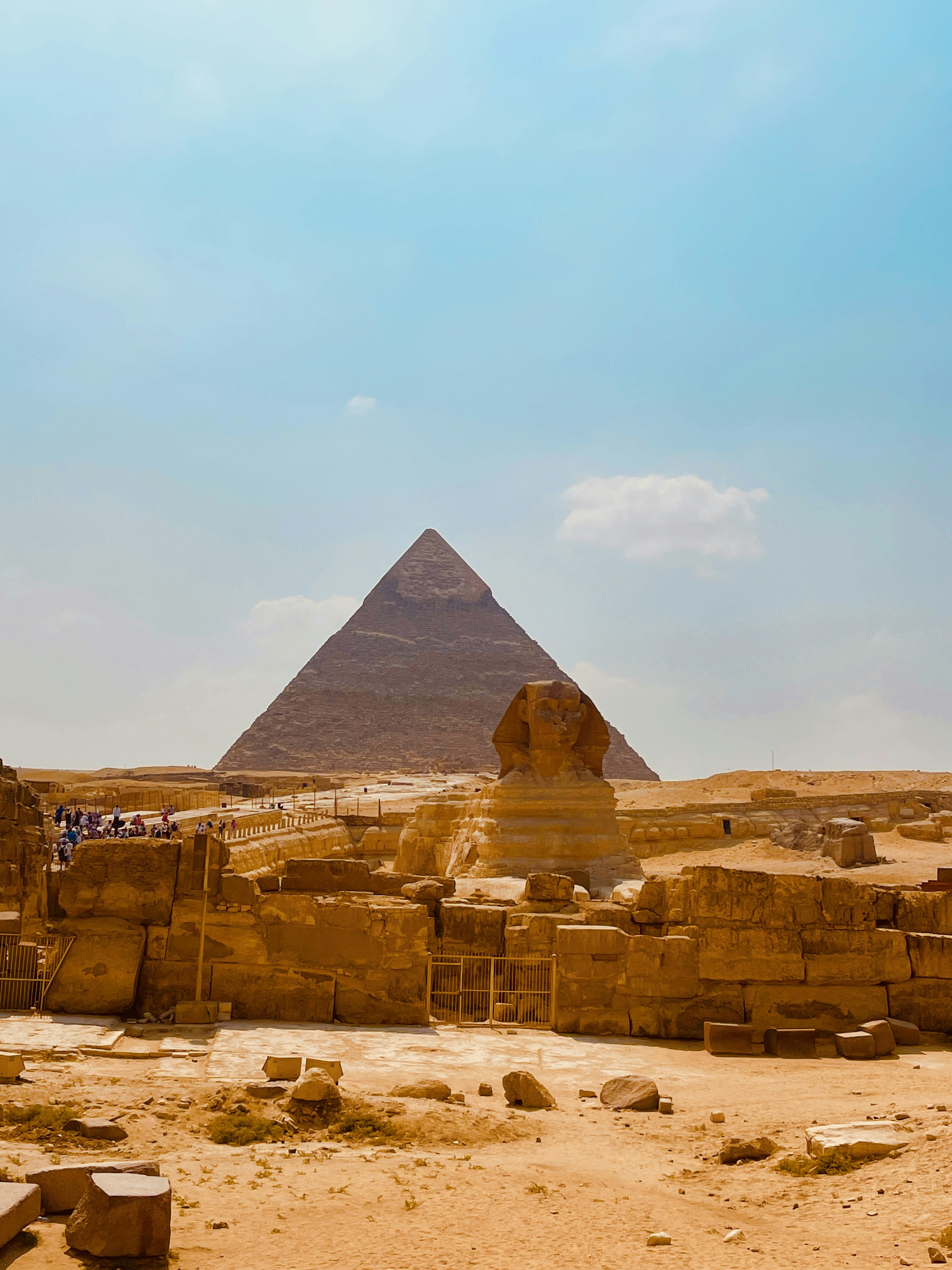
Adjacent to the Great Pyramid, the Pyramid of Khafre captivates with its slightly smaller stature yet appears taller due to its elevated location. It is distinctive for retaining some of its original limestone casing at the apex, giving it a unique appearance. The pyramid complex is also home to the Sphinx, a legendary guardian with the body of a lion and the head of a pharaoh. This enigmatic statue stands at 20 meters high and 73 meters long, captivating tourists as they ponder its historical significance and the mysteries surrounding its origins.
The third primary structure, the Pyramid of Menkaure, offers a different perspective with its modest height of about 65 meters. Visitors often appreciate its intricate lower casing stones and the fact that it is part of a larger complex that includes smaller pyramids and temples that belong to the queens.
To enhance the experience, guided tours are highly recommended as they provide invaluable insights into the history and significance of these ancient wonders. For a more adventurous experience, visitors can opt for camel rides around the pyramids, allowing for unique photo opportunities against the stunning backdrop of the desert landscape. The Solar Boat Museum, housing an ancient vessel believed to have been used for the Pharaoh’s journey in the afterlife, is another highlight that should not be missed. This captivating site offers an enriching glimpse into the beliefs and artistry of ancient Egypt.
Visitor Information and Travel Tips
The Giza Pyramids Complex, located approximately 18 kilometers southwest of Cairo, is a UNESCO World Heritage site and a must-visit for those exploring Egypt. The complex is open to visitors every day from 8:00 AM to 5:00 PM, with extended hours during the summer months. Ticket prices vary based on the areas you wish to explore; a general admission ticket allows access to the pyramid grounds, whereas additional fees apply for access to specific pyramids, such as the Great Pyramid of Khufu.
To reach the Giza Pyramids from Cairo, tourists have several transportation options, including taxis, private car hires, and public buses. The most convenient mode is a taxi or ride-sharing service, which provides direct access to the site. Tourists may also choose to book guided tours that often include transportation and additional insights into the history and culture surrounding the pyramids.
When planning your visit, it is essential to consider the best times to experience the Giza Pyramids complex. Early mornings and late afternoons help avoid the peak heat and crowds, particularly during the summer months when temperatures can soar. Dress appropriately in lightweight, breathable fabric and ensure to wear comfortable shoes, as walking is inevitable. Additionally, a hat and sunscreen are highly advisable.
The complex offers various facilities to enhance the visitor experience, including restrooms, souvenir shops, and cafes serving refreshments. Visitors are encouraged to stay hydrated and take breaks as needed. As for safety, while the area is generally secure, it is prudent to remain aware of your surroundings and keep personal belongings safe. Engaging with a local guide can enrich your understanding and provide valuable insights into the rich history and culture of the pyramids.