Historical Background of Medinet Habu
Medinet Habu serves as a remarkable testament to ancient Egyptian history, primarily recognized as the mortuary temple complex associated with Pharaoh Ramesses III, who reigned from 1186 to 1155 BCE during the New Kingdom period. This site is situated on the west bank of the Nile, near Luxor, and plays a crucial role in understanding the political and religious dynamics of its time. Built as a monument to honor the late pharaoh and commemorate his achievements, Medinet Habu reflects both the artistic mastery and the architectural prowess of ancient Egyptian builders.
The temple complex functions not only as a mortuary site; it also symbolizes the power and divine legitimacy of Ramesses III. The lavish decorations and intricate reliefs adorning the temple walls narrate tales of military campaigns and religious rituals, thereby providing insights into the pharaoh’s rule and the inherently intertwined nature of policy and spirituality in ancient Egyptian culture. Notably, the temple features depictions of significant historical events, such as the Battle of the Sea Peoples, with detailed illustrations that offer a glimpse into the military prowess of Egypt at that time.
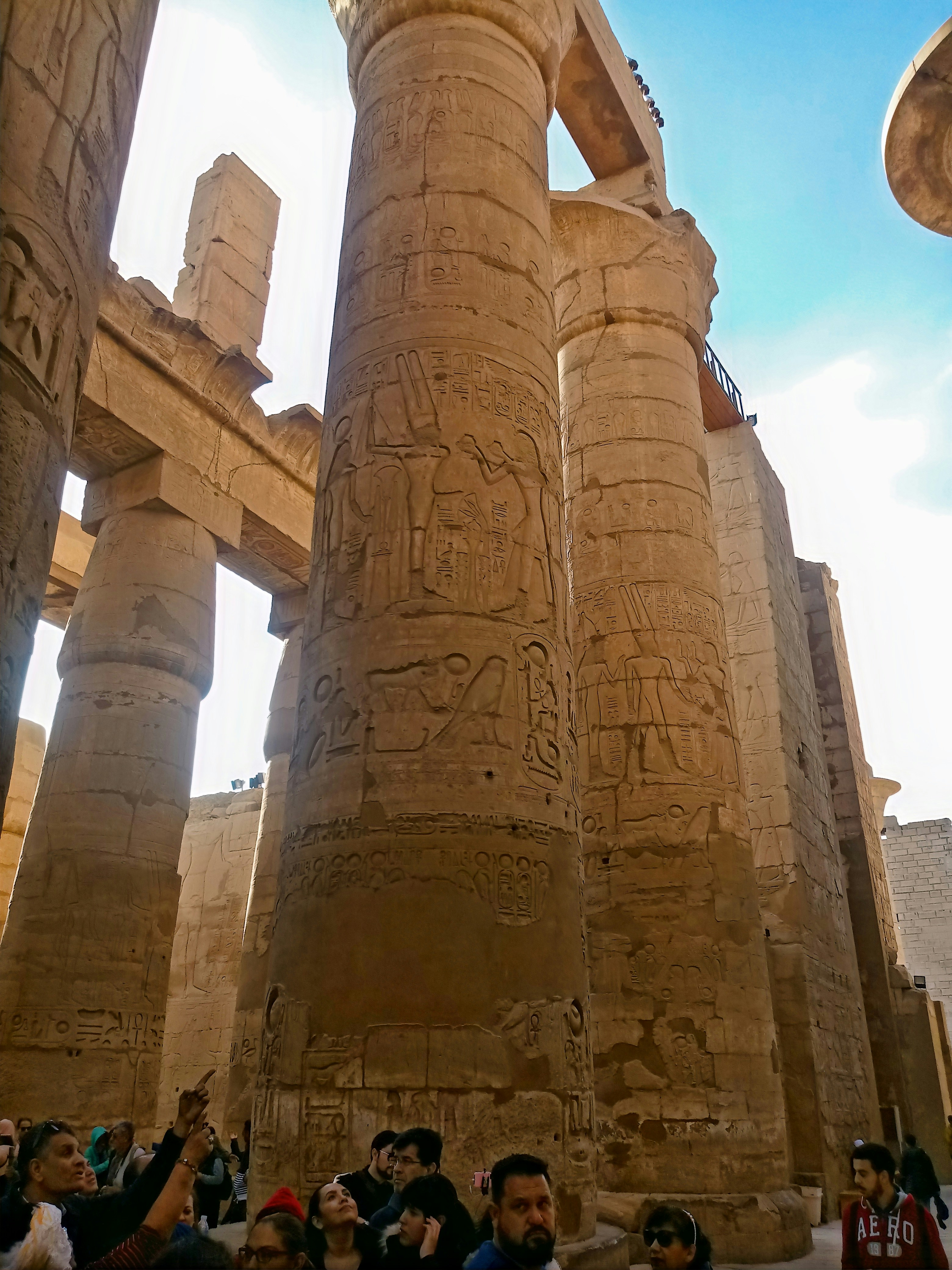
Architecturally, Medinet Habu showcases a distinctive style with its massive entrance, impressive courtyards, and towering columns, representative of the grandeur associated with the New Kingdom. The layout of the temple complex is carefully designed, emphasizing not only functionality but also a spiritual journey for those who visited. The temple remains an essential archaeological site, providing researchers and visitors the opportunity to engage with ancient narratives, bringing to life the power dynamics and religious beliefs that shaped the civilization.
Cultural Significance and Legacy
Medinet Habu, the mortuary temple of Ramesses III, stands as a monumental testament to the cultural richness of ancient Egypt. Established during the New Kingdom period, this temple complex played a pivotal role in the religious and social fabric of Egyptian society. The extensive reliefs and inscriptions found within Medinet Habu vividly depict the triumphant military campaigns of Ramesses III, symbolizing the pharaoh’s divine right to rule, which reinforced the concept of maat, or cosmic order.
In ancient Egyptian culture, temples like Medinet Habu were not merely places of worship; they served as centers of the community and were integral to the practices of the afterlife. Rituals conducted at Medinet Habu were believed to ensure the pharaoh’s immortality while maintaining the prosperity of the nation. This connection between the living and the afterlife is meticulously illustrated through various reliefs that narrate the rituals performed in honor of the gods as well as the entombed kings.
The legacy of Medinet Habu extends beyond its original purpose. As centuries passed, its architectural grandeur continued to inspire subsequent generations, solidifying its position in the historical narrative of Egypt. After the decline of the pharaonic era, explorers and scholars began to discover and document its rich tapestry of inscriptions, leading to a renaissance of interest in ancient Egyptian civilization. The temple remains a vital component of modern Egyptian identity, symbolizing the grandeur and complexity of their ancient heritage.
Furthermore, Medinet Habu is crucial to understanding the religious practices of ancient Egyptians as documented in various historical texts. These insights have greatly influenced the field of Egyptology and continue to provide valuable resources for researchers today. Medinet Habu stands, therefore, not only as a relic of a bygone era but as a significant cultural icon that shapes the historical understanding of ancient Egyptian civilization.
What to See and Do at Medinet Habu
Medinet Habu, renowned for its grandeur and historical significance, features the mortuary temple of Ramesses III, which stands as its primary attraction. This vast complex showcases remarkable architectural prowess and is surrounded by a towering mudbrick enclosure, making it a striking example of New Kingdom construction. Visitors are often drawn to the impressive main temple structure, where distinct architectural elements evoke the divine atmosphere surrounding ancient Egyptian funerary practices.
Inside the temple, various halls and chambers are adorned with exquisite artwork that narrates the narrative of Ramesses III’s reign, battles, and achievements. The reliefs that decorate the walls are intricately detailed and depict scenes of warfare and religious ceremonies, offering insights into the socio-religious landscape of the time. Notably, the enormous hypostyle hall contains several columns that support the ceiling, creating an expansive area bathed in natural light—ideal for photography enthusiasts seeking to capture the splendor of ancient artistry.
Engaging in a guided tour is highly recommended for visitors at Medinet Habu, as knowledgeable guides provide valuable context and historical insights that enhance the overall experience. These tours often lead individuals through carefully curated pathways, ensuring that the hidden gems of the temple, such as the unique carvings and inscriptions, are highlighted. Additionally, visitors are encouraged to explore the temple grounds at leisure, taking advantage of multiple vantage points for photography. With its captivating blend of history and architecture, Medinet Habu promises an enriching experience, making it a must-visit destination for anyone interested in the wonders of ancient Egypt.
Practical Visitor Information and Tips
Medinet Habu, an archaeological site renowned for its well-preserved mortuary temple of Ramesses III, is situated on the west bank of the Nile, near Luxor, Egypt. For those planning to visit, it is important to note that the site is open daily from 6:00 AM to 5:00 PM, with the last admission at 4:30 PM. Entrance tickets are reasonably priced, allowing individuals to explore the historical ruins and intricate carvings that depict ancient Egyptian life.
When traveling to Medinet Habu, visitors have several transportation options. Taxis and mini-buses are readily available in Luxor, providing convenient access to the site. For a more economical choice, travelers can opt for local public transport. Visitors are encouraged to check the schedules in advance to ensure a smooth trip. Additionally, there are several facilities available at the site, including restrooms and small shops that offer refreshments and souvenirs.
To enhance the experience at Medinet Habu, dressing appropriately is advisable. Lightweight, breathable clothing is recommended given the region’s warm climate, alongside comfortable walking shoes for traversing the archaeological grounds. It is also prudent to carry sun protection, such as hats and sunscreen, as shaded areas are limited. Being mindful of local customs is essential; conservative attire is advised, particularly for women. Public displays of affection are discouraged, and respectful behavior should be observed.
When planning a day trip from major cities like Luxor, visitors may consider scheduling guided tours that include round-trip transportation, thus allowing for an informative experience at Medinet Habu without the hassle of navigating logistics alone. Overall, incorporating these practical tips can significantly enhance the visit, making it a memorable exploration of ancient Egyptian history.