Historical Background of the Ramesseum
The Ramesseum, located on the west bank of the Nile near Luxor, stands as one of the most remarkable monuments of ancient Egypt. Commissioned by Pharaoh Ramesses II, also known as Ramesses the Great, the construction of this mortuary temple began in the 13th century BCE, during the Nineteenth Dynasty of the New Kingdom period. The temple was designed to immortalize Ramesses II and to serve as a place for honoring the gods and the deceased king. It is testament to the power and ambition of this pharaoh, who reigned for an impressive 66 years.
Distinctive for its architectural prowess, the Ramesseum exhibits an array of artistic styles and innovative engineering techniques that define ancient Egyptian temple design. The temple complex featured towering columns, intricately carved reliefs, and colossal statues, showcasing the craftsmanship and devotion evident in its creation. The large seated statue of Ramesses II, originally 19 meters tall, is one of its most notable features, symbolizing the grandeur and divine nature of the pharaoh.
Significant archaeological findings have placed the Ramesseum at the center of historical studies regarding ancient Egyptian civilization. Excavations have revealed a wealth of inscriptions and mural paintings that provide insights into the cultural, religious, and political life of the time. Furthermore, the temple served as a vital religious center, reinforcing the connection between the pharaoh and the divine, which played a crucial role in ancient Egyptian society.
The Ramesseum not only reflects the opulence of Ramesses II’s reign but also acts as a legacy of ancient Egyptian architectural and artistic excellence. This temple complex remains an enduring symbol of one of the most famous pharaohs and stands as an essential component of our understanding of ancient Egyptian heritage.
Cultural Significance of the Ramesseum
The Ramesseum, an ancient mortuary temple complex dedicated to Pharaoh Ramses II, embodies profound cultural significance within the framework of ancient Egyptian civilization. As a site of worship and tribute, it served as more than just an architectural wonder; it was a vital center for religious practices and rituals that were central to the belief systems of the time. The temple’s design and grandeur reflect the monumental ambitions of Ramses II, whose reign is often considered a pinnacle of ancient Egyptian power and artistic achievement.
Significantly, the inscriptions adorning the walls of the Ramesseum offer invaluable insights into the religious and societal beliefs of ancient Egyptians. These texts not only honor the pharaoh and recount his military victories but also invoke the favor of deities, illustrating the close connection between the political and the divine. Such representations indicate a society that deeply revered its leaders, who were seen as intermediaries between the gods and the people. The themes depicted in the Ramesseum’s iconography reveal values such as loyalty, honor, and the pursuit of eternal life, crucial tenets of the ancient Egyptian worldview.
The Ramesseum’s legacy also extends into modern interpretations, with references in literature and popular culture underscoring its enduring relevance. Authors and filmmakers frequently allude to this iconic temple, drawing on its mystique to evoke themes of power, fate, and the quest for immortality. This ongoing fascination highlights how the Ramesseum remains a powerful symbol of ancient Egyptian heritage, inviting contemporary audiences to explore the rich tapestry of history enveloped within its ruins. The interplay of art, religion, and society at the Ramesseum not only cements its importance in ancient history but also ensures its lasting imprint on our collective cultural consciousness.
Visitor Attractions and Activities at the Ramesseum
The Ramesseum, located in Luxor, Egypt, serves as a majestic representation of ancient Egyptian grandeur. This mortuary temple, built for the Pharaoh Ramses II, offers numerous attractions that draw visitors from around the world. One of the most striking features is the magnificent colossi of Ramses II at the entrance. Standing over 10 meters tall, these colossal statues are a testament to the architectural prowess of Ancient Egypt, making them a must-see for any visitor.
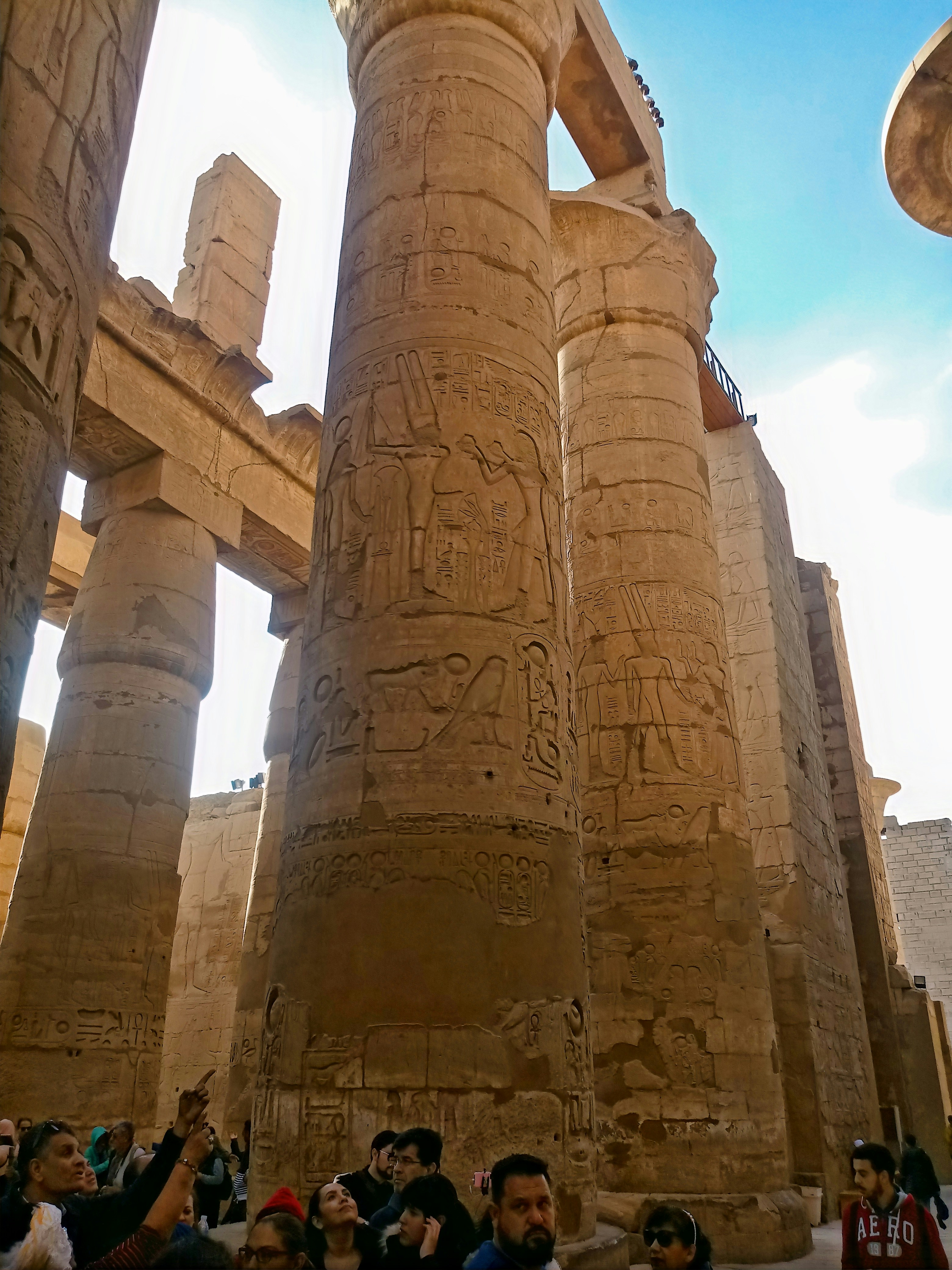
Beyond the impressive statues, the temple’s intricate architecture and hieroglyphics provide valuable insights into the religious practices and daily lives of the ancient Egyptians. The walls of the Ramesseum are adorned with detailed reliefs that depict significant historical events and mythical narratives, capturing the essence of the era. Tourists can enjoy guided tours that delve into the stories behind these stunning carvings, enhancing their understanding of the temple’s significance in ancient and modern contexts.
Photography opportunities abound at the Ramesseum, allowing visitors to capture the beauty of the temple’s ruins and the surrounding landscape. Particularly during dusk, the temple’s silhouette against the sunset creates a picturesque scene that many travelers cherish. Additionally, visitors often find engaging activities such as exploring the well-preserved frescoes in the sanctuary and participating in discussions with knowledgeable tour guides who share captivating tales of the temple’s history.
Overall, the Ramesseum offers an enriching experience steeped in history and culture. From marveling at its architectural excellence to immersing oneself in the ancient past through its numerous attractions, the site invites all who visit to engage deeply with the extraordinary legacy of Ancient Egypt. Whether one is a history enthusiast or a casual traveler, the Ramesseum promises an unforgettable encounter with one of the most remarkable landmarks of its time.
Practical Visitor Information
The Ramesseum, located on the west bank of the Nile in Luxor, Egypt, is a renowned funerary temple dedicated to Pharaoh Ramses II. It is essential for visitors to adequately prepare for their visit to fully appreciate this remarkable site. The Ramesseum is open to the public from 6 AM to 5 PM during the winter months and 6 AM to 7 PM in the summer, allowing ample opportunity for exploration.
Admission tickets to the Ramesseum are relatively affordable, costing approximately 50 Egyptian pounds, with discount options available for students and other eligible categories. It is advisable to purchase tickets early in the day to avoid any crowd-related challenges. The best times to visit are during the fall and spring months when the weather is mild and pleasant, as summer temperatures can be quite high, leading to uncomfortable conditions for sightseeing.
Transportation options to the Ramesseum range from local taxis to organized tours. Using a taxi can provide a convenient and flexible means of transport, while many local hotels offer shuttle services that can simplify access for their guests. Visitors are encouraged to negotiate fares beforehand to avoid misunderstandings.
On-site facilities at the Ramesseum include restrooms, which are maintained to a reasonable standard, and a small café offering refreshments. Given the outdoor nature of the site, it is recommended to bring bottled water, sunblock, and appropriate clothing to ensure comfort during the visit. A hat or umbrella can offer extra protection from the sun.
To enhance the overall experience, it is beneficial to consider guided tour options, which can provide meaningful insights into the temple’s historical significance. With proper planning and preparation, visiting the Ramesseum can be a truly enriching experience, unlocking the wonders of ancient Egyptian heritage.