Historical Background of Qaitbay Citadel
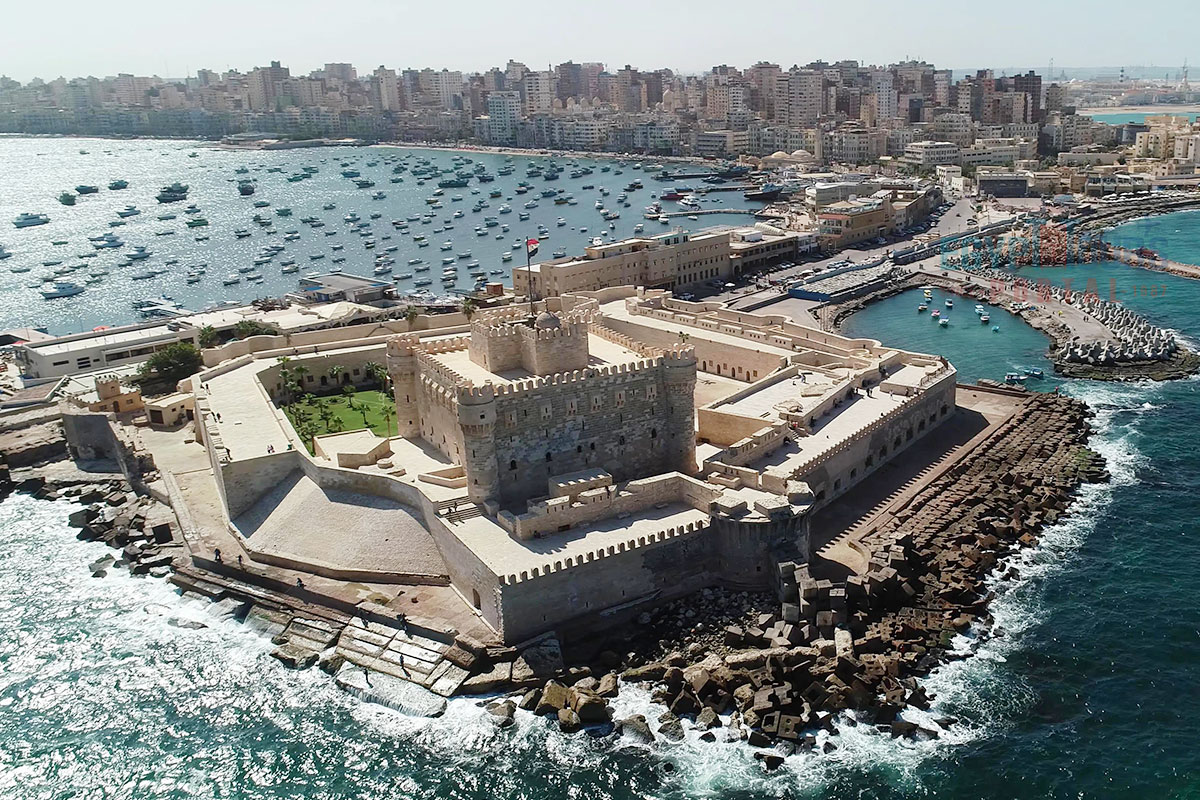
The Qaitbay Citadel, a paramount example of military architecture, was constructed in the 15th century by Sultan Al-Ashraf Sayf al-Din Qaitbay. Located on the Mediterranean coast of Alexandria, Egypt, the citadel was built on the site of the ancient Lighthouse of Alexandria, one of the Seven Wonders of the Ancient World. This strategic location was chosen not only for its commanding view over the harbor but also for its significance in protecting the city from maritime threats, particularly from the encroaching forces of the Ottoman Empire.
Throughout its history, Qaitbay Citadel served as a formidable fortress that played a critical role in various historical events. One of the most notable occurrences was during the Mamluk period, when the citadel was instrumental in repelling invasions from foreign powers. Its robust structure, fortified walls, and strategic design showcased the military prowess of its time. The citadel became a symbol of resistance and stability against external aggression, embodying the spirit of Egyptian fortification.
The Qaitbay Citadel has also witnessed significant transformations throughout the years, undergoing various restoration efforts to preserve its grandeur amid natural and human-induced erosion. These restorations have not only sought to maintain the architectural integrity of the citadel but also enhance its role as a cultural and historical landmark. Significant figures, such as Sultan Qaitbay himself, have become emblematic of the citadel’s legacy, reflecting Egypt’s tumultuous yet rich historical tapestry.
In light of its long-standing history, the Qaitbay Citadel stands as a testament to Egypt’s enduring resilience and a stellar representation of its historical narrative. This magnificent structure continues to attract visitors and historians alike, all eager to delve into the storied past it embodies.
Cultural Significance and Architecture
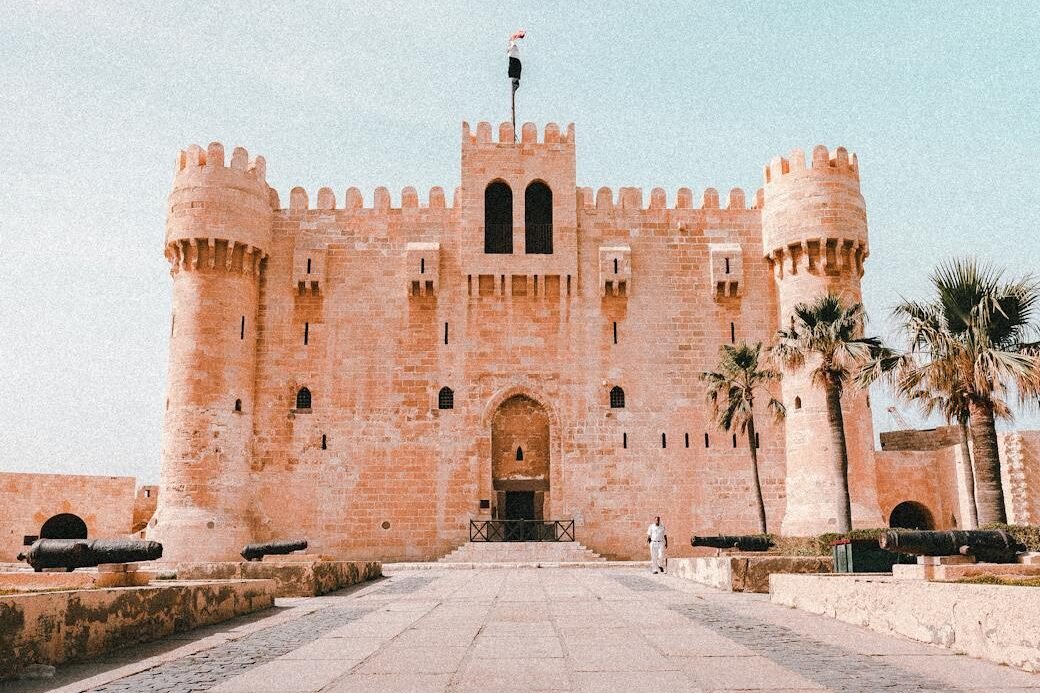
The Qaitbay Citadel, an iconic landmark situated on the eastern shore of Alexandria, holds profound cultural significance in the fabric of Egyptian history. Built in the late 15th century on the ruins of the ancient Pharos of Alexandria, the citadel not only showcases the military architecture of the era but also serves as a testament to the artistic and engineering prowess of medieval Islamic builders. Its robust walls and towering structures stand as a vivid reminder of the historical conflicts and battles that unfolded on its grounds.
The architectural features of the Qaitbay Citadel are emblematic of the Mamluk style, characterized by thick stone walls, round towers, and intricate decorative elements. Visitors are often captivated by the imposing fortifications that have withstood centuries of natural and human challenges. The citadel is designed to offer panoramic views of the vast Mediterranean Sea, inviting guests to appreciate the tranquil beauty of the coastline juxtaposed against the fortress’s formidable presence. This strategic positioning not only served military purposes but also allowed for the observation of ships entering the bustling Alexandria port.
In contemporary times, the Qaitbay Citadel has evolved into a cultural hub, attracting both locals and tourists who partake in various events and activities. From art exhibitions to historical reenactments, the site has become a canvas showcasing Egypt’s vibrant cultural heritage. The citadel frequently hosts festivals that celebrate local traditions, food, and art, encouraging a dialogue between history and modernity. This blend of historical significance and ongoing cultural engagement makes the Qaitbay Citadel not just a relic of the past, but a living monument that continues to inspire awe and wonder among those who visit.
What to See and Do at Qaitbay Citadel
The Qaitbay Citadel, located on the picturesque Mediterranean coast in Alexandria, Egypt, is not only a significant architectural landmark but also a historical repository. As visitors approach the citadel, they are greeted by the grandeur of its fortifications, built on the site of the ancient Alexandria Lighthouse, one of the Seven Wonders of the Ancient World. Exploring the citadel offers numerous attractions that highlight its historical importance and scenic beauty.
One of the main attractions within Qaitbay Citadel is the museum housed inside the structure. The museum features a collection of ancient artifacts, including weaponry, ceramics, and items reflecting the maritime history of Alexandria. These exhibits provide valuable insights into the lives of people who once inhabited the region, making a visit both educational and engaging.
Visitors are encouraged to ascend to the top of the citadel, where stunning panoramic views of the Mediterranean Sea and the vibrant city of Alexandria await. This vantage point offers an opportunity to capture breathtaking photographs, giving travelers a unique perspective of the landscape. As the sun sets over the sea, the scenery transforms into a stunning spectacle of colors, enhancing the overall experience.
For those looking to extend their exploration beyond the citadel, the nearby remnants of the Alexandria Lighthouse present an alluring historical site worth visiting. In addition, numerous local shops and cafes can be found in the vicinity, providing visitors with an opportunity to indulge in authentic Egyptian cuisine and shop for traditional handicrafts.
Overall, Qaitbay Citadel serves as a captivating gateway to the rich history and culture of Alexandria, ensuring that visitors leave with lasting memories of this historical treasure.
Practical Visitor Information and Tips
Qaitbay Citadel, located on the western side of the Alexandria harbor in Egypt, is one of the country’s most historically significant structures. To plan your visit effectively, it is essential to be aware of several practical details.
The citadel is open to visitors from 9:00 AM to 5:00 PM daily, allowing ample time for exploration. Ticket prices are quite reasonable, generally costing around 60 Egyptian Pounds for adults, while reduced rates are available for students and children, making it accessible for families. Given the popularity of the citadel, particularly on weekends and holidays, it is advisable to visit during the early hours of the day for a more serene experience.
Reaching Qaitbay Citadel is relatively straightforward. For those using public transport, buses and trams frequently run to the area, with the stop nearest to the citadel being within a short walking distance. Alternatively, taxis and ride-sharing services are readily available, providing a more convenient option for visitors who prefer direct transport. Once at the site, clear signage will guide you to the entrance.
Facilities such as restrooms are available on-site, ensuring a comfortable visit. While there are no dedicated restaurants inside the citadel, various eateries and cafes can be found nearby, offering local and international cuisine. Moreover, gift shops stocking souvenir items related to the citadel’s rich history are also present.
To enhance your visit, consider hiring a local guide who can provide deeper insights into the historical significance of the citadel. Additionally, scouting out unique photography spots, particularly around the ramparts, can result in stunning images capturing the citadel’s majestic architecture against the backdrop of the Mediterranean Sea.