Historical Background of the Great Sphinx
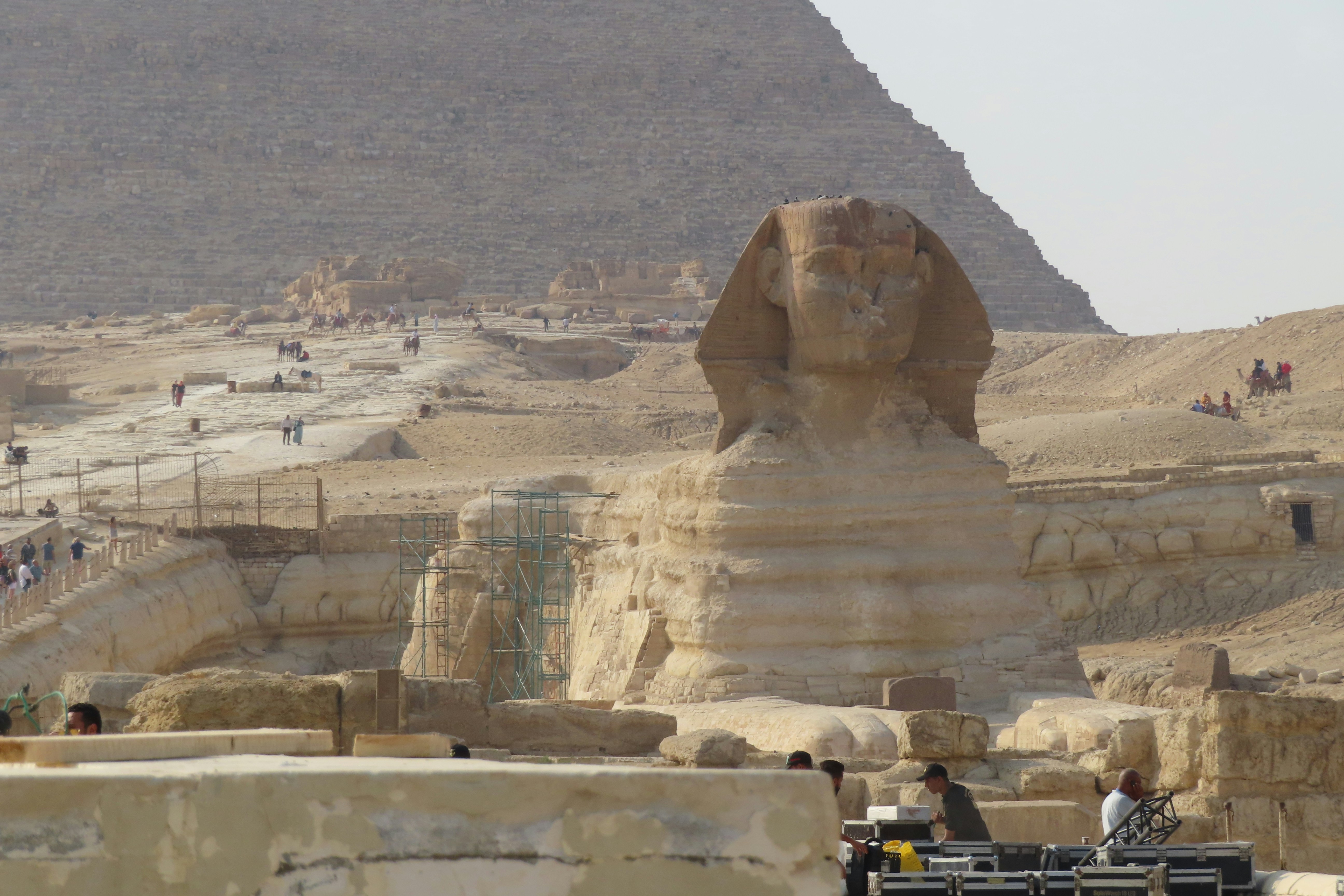
The Great Sphinx of Giza, one of the most iconic landmarks of ancient Egypt, was constructed during the reign of Pharaoh Khafre, around 2500 BC. This monumental statue features a lion’s body with a human head, believed to represent the pharaoh himself, symbolizing strength and wisdom. Standing guard over the Giza Plateau, the Sphinx has captured the imagination of historians and tourists alike, raising questions about its origins and function.
While its exact purpose remains a subject of debate, several theories suggest it may have served as a protector of the Giza Plateau and the associated pyramids, reflecting the significance of the royal tombs in ancient Egyptian civilization. The Sphinx also likely played a role in the solar cult, as evidenced by its alignment with the sunrise during specific times of the year.
Archaeological findings have shed light on the techniques used in the construction of the Sphinx, which involved careful quarrying and precision stonework. Over the centuries, this fascinating structure has faced significant challenges, including natural erosion and human intervention. Historical accounts indicate that the Sphinx was buried up to its neck in sand by the 15th century, prompting various restoration efforts.
In the modern era, conservation projects have aimed to preserve the Sphinx’s integrity in the face of both environmental factors and urban development in Giza. The ongoing archaeological studies continue to unveil the secrets of the Sphinx, providing insight into ancient Egyptian culture and reflecting the civilization’s architectural ingenuity. As one traverses the path of history, the Great Sphinx remains a captivating testament to the rich legacy of ancient Egypt, embodying the mysteries of the past while standing resilient against the test of time.
Cultural Significance and Symbolism
The Great Sphinx of Giza stands as a monumental symbol of ancient Egyptian civilization, embodying profound cultural significance and rich symbolism. Traditionally considered a guardian figure, the Sphinx represents the harmonious coexistence of human intelligence and animal power. This duality allows it to serve as a protective entity for the tombs and temples in its vicinity, safeguarding the pharaoh’s journey to the afterlife.
In Egyptian mythology, the Sphinx is often associated with the sun god Ra, symbolizing divine protection and the journey of the soul. Its enigmatic visage was believed to convey wisdom, strength, and eternal vigilance. Numerous texts from antiquity highlight its importance, frequently referencing the Sphinx as a key player in the narratives surrounding the afterlife and resurrection. The Sphinx’s role extends beyond mythology; it has permeated ancient literature, inspiring stories and interpretations that resonate through centuries.
In modern culture, the Great Sphinx continues to fascinate and captivate audiences worldwide. It is not merely a relic of the past, but a living entity that has influenced various facets of art, literature, and even popular culture. Artists have drawn inspiration from its striking form, integrating the Sphinx into paintings, sculptures, and films as a symbol of mystery and ancient grandeur. Moreover, its placement amidst the iconic Egyptian pyramids further delineates its importance within the broader framework of Egyptian monuments, representing the height of human achievement and the grandeur of a civilization that has intrigued generations.
The enduring legacy of the Sphinx underscores its significance as not only a historical artifact but also a symbol of cultural identity, reflecting the values and beliefs of the ancient Egyptians while continuing to inspire intrigue and reverence in contemporary society.
What to See and Do at the Great Sphinx
The Great Sphinx of Giza is not only one of the most iconic monuments in Egypt but also serves as a central attraction for visitors exploring the pyramids of Giza. Located on the Giza Plateau, the Sphinx is surrounded by a wealth of significant archaeological sites. When visiting, tourists are encouraged to take time to explore the nearby Pyramids of Khufu, Khafre, and Menkaure, which stand as remarkable feats of engineering from ancient Egypt.
The Sphinx enclosure, where the statue resides, offers unique viewpoints ideal for photography. Visitors can capture stunning images of the Sphinx framed by the majestic pyramids in the background, especially during sunrise or sunset when the lighting beautifully enhances the stone surfaces. It is advisable to arrive early in the morning or later in the afternoon to avoid the heat and crowds while also maximizing the photographic opportunities.
Guided tours provide enriching experiences, as knowledgeable narrators share the rich history and mythology associated with the Sphinx and its surroundings. These tours often delve into the craftsmanship behind the statue and its cultural significance in ancient Egyptian civilization. Additionally, many tours include a visit to the Solar Boat Museum, which adds another layer of intrigue to the trip.
For those looking for interactive experiences, the Giza Plateau often features various exhibitions showcasing artifacts, insights, and multimedia presentations that bring the history of the Sphinx to life. These installations offer visitors a chance to engage with the ancient culture in meaningful ways. Whether it’s through guided tours or independent exploration, the Great Sphinx and its surroundings promise visitors an unforgettable journey through Egypt’s ancient past.
Practical Visitor Information and Travel Tips
The Great Sphinx of Egypt, a monumental statue standing guard at the Giza Plateau, is accessible to travelers from around the world. For those planning a visit, it is vital to understand the practical details that will enhance the experience. The Sphinx is located approximately 13 kilometers southwest of Cairo, making it relatively easy to reach using various transportation options.
The site generally opens to visitors at 8:00 AM and closes at 5:00 PM. However, during peak tourist seasons, it is advisable to verify the specific opening hours, as these can vary. To avoid the intense heat and large crowds, the best time to visit the Sphinx is early in the morning or late afternoon. Not only is the temperature more bearable, but the lighting during these hours also provides excellent conditions for photography.
Entry to the Sphinx typically requires a ticket, which costs approximately 200 Egyptian pounds for adults. Children and students may benefit from discounted rates, so it’s wise to carry student identification, if applicable. Once there, visitors can enjoy well-maintained facilities, including restrooms and food stalls offering local Egyptian delicacies, ensuring a comfortable visit.
For those relying on public transport, taxis and ride-sharing services are readily available in Cairo, or you may opt for guided tours that include transportation. Nevertheless, it is essential to negotiate taxi fares beforehand to avoid misunderstandings. When planning your excursion, remember to bring adequate sun protection and water. Comfortable walking shoes are also recommended, as the terrain can be uneven.
This journey to the Great Sphinx is both enlightening and memorable. Immerse yourself in the rich history and wonder of this ancient marvel, and take the opportunity to reflect on the cultures that have shaped our world. Embark on this unforgettable exploration and create lasting memories at one of humanity’s most significant wonders.