Historical Background of Luxor Temple
The Luxor Temple, a significant monument of ancient Egypt, traces its roots back to the New Kingdom period, particularly under the reign of Pharaoh Amenhotep III around 1391-1353 BCE. This temple was designed primarily as a sanctuary for the Theban triad, which included Amun, Mut, and Khonsu, and it played a crucial role in the religious practices and cultural identity of ancient Egyptians. The construction of Luxor Temple was not only a display of architectural prowess but also served as an essential spiritual center where rituals were conducted to honor the gods.
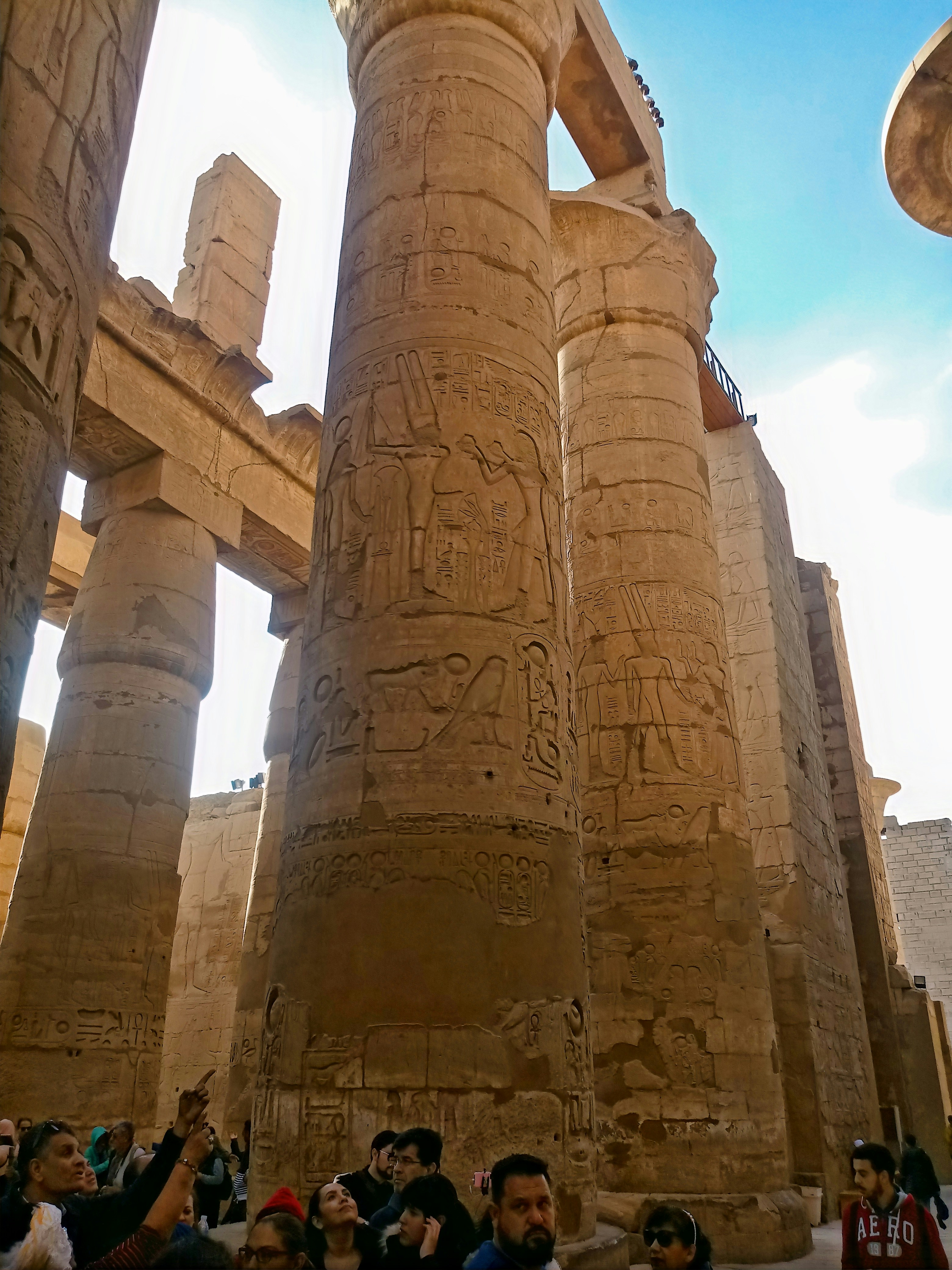
As the centuries progressed, Luxor Temple evolved through additions made by subsequent pharaohs, including Ramses II, who contributed to its grandeur by adding more colonnades and monumental statues. The architectural design of this temple is characterized by a harmonious blend of intricate hieroglyphics and towering pillars, which exemplify the mastery of ancient Egyptian builders. The walls of Luxor Temple are adorned with remarkable reliefs that depict significant events and religious ceremonies, providing insights into the socio-political dynamics of that era.
One of the notable aspects of Luxor Temple is its association with the Opet Festival, an important annual event that emphasized the connection between the divine and the pharaoh. This festival involved a grand procession from Karnak Temple to Luxor Temple, symbolizing the rejuvenation of kingship and the fertility of the land. The Luxor Temple was thereby not only a place of worship but also an integral part of the socio-religious fabric of ancient Egypt, acting as a backdrop for significant cultural and ceremonial gatherings. Through its historical significance and architectural splendor, Luxor Temple continues to be a testament to the ingenuity and devotion of ancient Egyptian civilization.
Cultural Significance of Luxor Temple
Luxor Temple stands as a remarkable testament to the religious and cultural fabric of ancient Egypt. Primarily constructed during the New Kingdom, it was dedicated to the Theban triad, which consisted of Amun, the principal deity; Mut, his consort; and Khonsu, their son. This remarkable temple not only served as a house of worship but also functioned as a center for various political and social activities that were prevalent in Thebes during its time. The temple’s significance is further accentuated by its strategic location on the east bank of the Nile, which symbolically represented the realm of the living, contrasting with the west bank, associated with the afterlife.
The architecture and layout of Luxor Temple reflect the deep devotion and artistry of the ancient Egyptians. When entering the temple, visitors are greeted by a grand entrance flanked by colossal statues of Ramses II, a pharaoh who significantly contributed to its embellishment. The temple complex reveals an array of inscriptions and bas-reliefs that narrate the divine activities and significant events in the life of the pharaohs, as well as religious rituals. These artistic expressions serve not only as documentation of history but also as an insight into the beliefs and practices of New Kingdom society.
Moreover, the temple played a pivotal role in various festivals, most notably the Opet Festival, which celebrated the divine relationship between the pharaoh and Amun. During this event, the statue of Amun was carried in a ceremonial procession from the Karnak Temple to Luxor Temple, symbolizing the continuity of life and the bond between the gods and the ruling class. This underscores the importance of Luxor Temple not only as a spiritual center but also as the heart of political life in ancient Thebes, solidifying its status as a landmark of immense cultural significance.
What to See and Do at Luxor Temple
When visiting the Luxor Temple, one will find a trove of ancient history and architectural genius waiting to be explored. The temple complex, which was built during the New Kingdom, showcases the extraordinary skill of ancient Egyptian artisans and their dedication to honoring the divine. Visitors are first greeted by the grand large pylon, a monumental entrance that stands tall, adorned with intricate carvings that tell tales of the temple’s significance and its deities.
As you proceed into the temple grounds, the expansive courtyards offer a unique opportunity to absorb the vastness and strategic layout of this sacred site. One of the most striking features within the temple is the array of statues of Ramses II, which serve as a testament to the pharaoh’s monumental contributions and his status. The scale of these statues, along with their detailed craftsmanship, evokes a sense of reverence and wonder.
Visitors to Luxor Temple should take the time to marvel at the beautifully preserved hieroglyphics and reliefs that adorn nearly every wall. These ancient writings not only depict religious rituals and daily life but also reflect the cultural heritage of the time. Guided tours are highly recommended, as they provide valuable insights and stories behind each structure and carving, enhancing the overall experience.
Additionally, for those who seek to deepen their understanding of the temple’s significance, various experiential activities such as photography sessions during sunset can be arranged. Exploring the temple grounds requires a slow and appreciative pace, allowing time to absorb both the historical context and the beauty of its architectural marvels. With each step taken within Luxor Temple, visitors are transported back in time, living the stories of ancient Egypt.
Practical Visitor Information for Luxor Temple
When planning a visit to the Luxor Temple, located on the east bank of the Nile River in the city of Luxor, Egypt, it is crucial to have a clear understanding of the logistics involved. The temple, one of the most magnificent remnants of ancient Egypt, is easily accessible from various locations within the city. For those traveling from downtown Luxor, numerous transportation options are available, including taxis and horse-drawn carriages, which provide a scenic route to the site.
The Luxor Temple is open to visitors throughout the week, typically from 6:00 AM to 9:00 PM. However, the best times to visit are during the early morning or late afternoon, when the temperatures are cooler, and the lighting enhances the beauty of the temple’s intricate carvings. Ticket prices are reasonable and may vary slightly depending on any special exhibitions or events. It is advisable for travelers to check current rates and potential discounts available for students or large groups before planning their visit.
Facilities around the Luxor Temple include restaurants and cafes where visitors can enjoy traditional Egyptian cuisine. Restroom facilities are also available for public use. Additionally, it is important to note that while the temple is generally accessible, visitors with mobility concerns may face challenges navigating certain areas due to uneven surfaces and steps. It is wise to plan ahead and inquire about available assistance or options for a more comfortable visit.
By preparing adequately, including understanding the Luxor Temple’s location, hours of operation, transportation methods, and facilities nearby, travelers can enhance their experience at this magnificent site. A visit to Luxor Temple promises to be both enriching and memorable, as it showcases the grandeur of ancient Egyptian civilization.