Historical Background of the Great Pyramid of Giza
The Great Pyramid of Giza, one of the most iconic structures of the ancient world, was constructed during the Fourth Dynasty of the Old Kingdom of Egypt, around 2580–2560 BCE. Commissioned by Pharaoh Khufu, also known as Cheops, this monumental tomb reflects the grandeur of Egyptian civilization and highlights the socio-political power and religious beliefs of the time. The pyramid was part of a larger complex that included smaller pyramids, temples, and mortuary structures.
The construction techniques of the Great Pyramid remain a topic of scholarly debate, with various theories positing how the massive limestone and granite blocks, weighing several tons each, were transported and assembled. It is believed that a workforce consisting of skilled laborers, not slaves as previously thought, was organized into crews and mobilized for this extensive project. Recent archaeological evidence suggests that these workers were housed in nearby settlements, indicating a level of social organization and resource allocation.
Furthermore, the orientation of the Great Pyramid exhibits remarkable precision, aligning closely with the cardinal points of the compass and the stars. This alignment reflects the ancient Egyptians’ profound knowledge of astronomy and their desire to connect the earthly realm with the divine. The pyramid’s design incorporates complex mathematical principles, showcasing the advanced state of science and engineering in ancient Egypt.
The significance of the Great Pyramid extends beyond its architectural feats; it serves as a testament to the cultural and religious ideals of ancient Egyptians, representing the belief in the afterlife and the pharaoh’s divine status. The Great Pyramid of Giza not only stands as a remarkable engineering achievement but also offers valuable insights into the historical and cultural context of one of humanity’s earliest civilizations.
Cultural Significance and Myths Surrounding the Pyramid
The Great Pyramid of Giza, one of the most recognized structures in the world, holds profound cultural significance that transcends time. Built during the Fourth Dynasty of the Old Kingdom of Egypt, it served as a monumental tomb for Pharaoh Khufu. The pyramid symbolizes the pharaoh’s divine authority and the economies of labor and resources devoted to such a grand structure reflect the power dynamics of ancient Egyptian society. This architectural marvel continues to be a testament to the ingenuity and ambition of a civilization dedicated to its beliefs in the afterlife.
In ancient Egyptian mythology, the Great Pyramid represents not only the final resting place of the pharaoh but also a means of facilitating his journey to the afterlife. The alignment of the pyramid with celestial bodies is thought to exemplify the Egyptians’ reverence for the heavens, reinforcing the belief that life transcends beyond death. Consequently, numerous myths and legends concerning the pyramid have emerged over the millennia, portraying it as a beacon of holy power or a site of immense treasure. These narratives have contributed to its allure and mystique, captivating the imaginations of travelers, historians, and adventurers alike.
The cultural impact of the Great Pyramid extends beyond its physical presence; it has inspired countless works of art, literature, and film throughout history. From ancient papyrus scrolls to contemporary novels and films, the pyramid’s imagery often evokes themes of mystery, power, and the eternal struggle between life and death. Its status as one of the Seven Wonders of the Ancient World further solidifies its global significance, attracting millions of tourists each year. Through their shared stories and experiences, people from diverse backgrounds continue to engage with the pyramid’s rich legacy, further enriching the tapestry of human culture.
Exploring the Great Pyramid of Giza
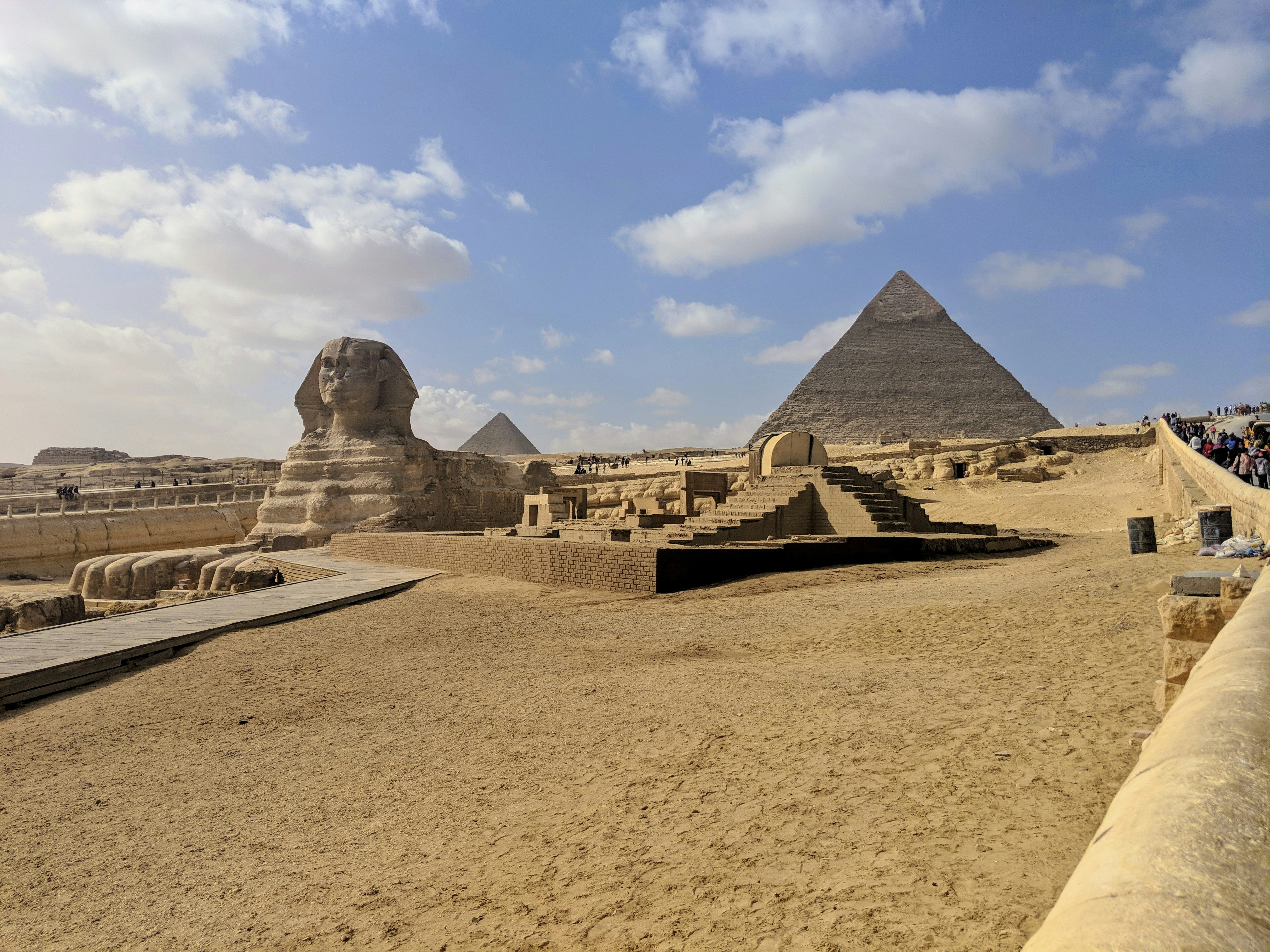
Visiting the Great Pyramid of Giza offers a unique opportunity to step into one of the most iconic sites in the world. Dominating the Giza Plateau, the pyramid is the most illustrious of the three pyramids and showcases ancient Egyptian engineering at its finest. Upon arrival, one of the most important attractions to observe is the pyramid itself, renowned for its colossal size and precision. It is advisable to take time to appreciate the scale and craftsmanship that has astounded visitors for centuries.
Another crucial feature nearby is the Great Sphinx, a remarkable limestone statue with the body of a lion and the head of a pharaoh. The Sphinx symbolizes strength and wisdom, providing an excellent backdrop for photographs. Visitors can engage in a guided tour, which often enriches the experience with historical narratives and insights into the monumental significance of these structures.
In addition to these main attractions, the surrounding complex includes several smaller pyramids and temples that merit exploration. Many visitors enjoy embarking on a camel ride around the site, as it allows for a unique vantage point and adds to the adventurous spirit of the visit. Furthermore, participating in a sound and light show in the evening can be an enchanting way to witness the pyramids illuminated against the night sky. Such experiences can bring the history of the Pharaohs to life in a captivating performance.
Moreover, nearby museums, like the Grand Egyptian Museum, provide further context and artifacts related to the pyramids. To enhance the experience, it is advisable to plan visits during off-peak hours, ensuring a more tranquil atmosphere amidst the awe-inspiring surroundings. The Great Pyramid of Giza presents visitors with an unparalleled glimpse into ancient Egyptian civilization, making it a must-see destination for history and culture enthusiasts alike.
Practical Visitor Information and Tips for Travelers
The Great Pyramid of Giza, located on the Giza Plateau just outside Cairo, is not only a wonder of the ancient world but also a popular destination for travelers. To ensure a smooth visit, it is essential to be informed about the practicalities associated with your trip.
Visiting hours for the Great Pyramid vary throughout the year, typically opening around 8:00 AM and closing at 5:00 PM, although these hours may extend during peak tourist seasons. It is advisable to check for any local announcements regarding the opening hours prior to your visit. Ticket prices can fluctuate based on several factors, including age and nationality, so purchasing tickets in advance through official channels is recommended for smoother access.
For travelers seeking to avoid the busiest times, early morning or late afternoon are often ideal choices. These periods not only diminish the likelihood of large crowds but also enable one to appreciate the grandeur of the pyramid in more favorable lighting conditions.
Transportation to the Great Pyramid can be facilitated through various means. Visitors may opt for taxis, rideshare options, or guided tours that include transportation. Public transport, such as buses, is also available but may necessitate additional planning to ensure convenience and efficiency.
Upon arrival, travelers will find nearby facilities that can enhance their experience, including restrooms and food options. It is crucial to adhere to safety tips provided by local authorities, such as staying hydrated and being cautious of scams that may arise in tourist areas. Observing these guidelines can lead to a more enjoyable visit filled with memorable experiences.
In conclusion, preparing adequately for a visit to the Great Pyramid of Giza greatly enhances the experience. By being informed about the location, operating hours, ticket prices, transportation options, and local facilities, travelers can appreciate this magnificent historical site to its fullest. Plan ahead, and enjoy your journey through history and culture at one of the world’s most iconic landmarks.