Historical Background of Salah El Din Citadel
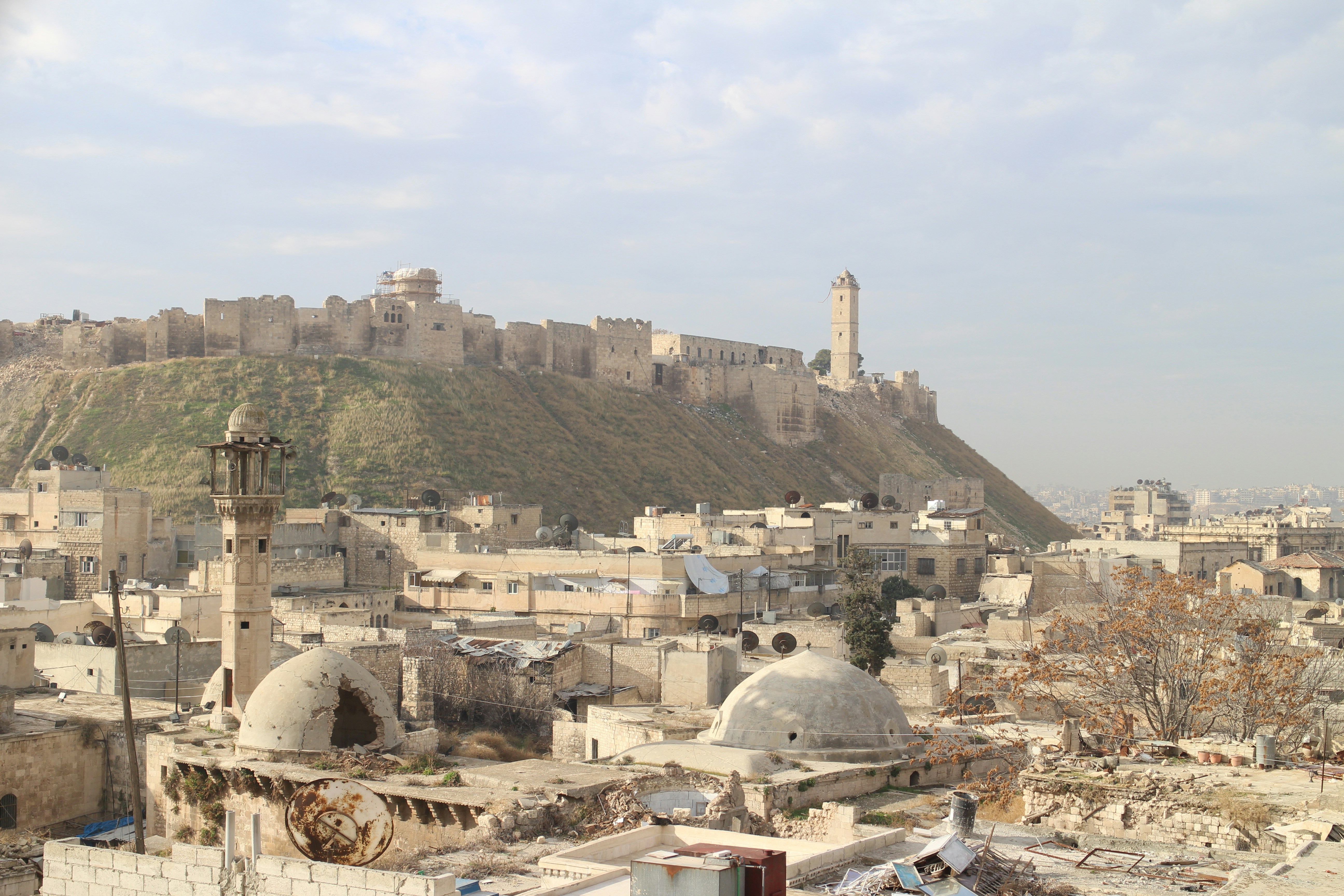
The Salah El Din Citadel, also known as the Citadel of Saladin, holds a significant place in Egypt’s history, originating from the 12th century. Commissioned by the legendary Islamic leader Salah El Din, or Saladin, the citadel was constructed as a strategic stronghold to defend against the advancing Crusaders. Its location on the Mokattam Hills provided an advantageous viewpoint over Cairo, ensuring effective surveillance of both the city and its surroundings.
Architecturally, the Salah El Din Citadel showcases the military architecture of the time, exhibiting formidable stone walls, towers, and a robust defensive layout. The citadel’s design reflects the various cultural influences present during its construction, merging Islamic architectural elements with local building traditions. Over the centuries, this citadel underwent numerous modifications and expansions, especially during the Ottoman era, which saw the addition of mosques and living quarters, further enhancing its structural complexity.
Throughout its history, the Salah El Din Citadel has witnessed numerous historical events and has been a site of significant conflict and governance. Key figures such as Sultan Al-Nasir Muhammad and other notable leaders contributed to its development, leaving behind a legacy that continues to be appreciated today. The citadel served not only as a military bastion but also as the seat of governmental authority, showcasing its multifaceted role in Egyptian history.
As a historical testament, the Salah El Din Citadel stands tall amidst the narratives of battles fought and peace brokered, symbolizing the resilience and strength of Egypt throughout the ages. Its walls encompass tales of both glory and defeat, marking its significance as a cultural and historical beacon within the landscape of Egypt.
Cultural Significance and Architectural Features
The Salah El Din Citadel, also known as the Citadel of Saladin, stands as a monument of great importance in Egypt’s historical and cultural narrative. Erected during the 12th century, this fortified structure not only symbolizes the might of the Ayyubid dynasty but also serves as a representation of Islamic heritage in the region. The citadel is a testament to Egypt’s rich past and remains a source of pride for its citizens, epitomizing the resilience and ingenuity relative to the historical epochs it has witnessed.
The architectural design of the Salah El Din Citadel reflects a fusion of Islamic and medieval styles, showcasing the artistic and engineering prowess of that era. Visitors are often captivated by the grandeur of the citadel’s walls, which are constructed from limestone and feature robust towers that were once essential for defense. Within its expansive grounds, the citadel hosts several notable structures, including the Mosque of Muhammad Ali, an exquisite example of Ottoman-influenced architecture that dominates the skyline. Its ornately decorated interiors and sweeping domes appeal to both enthusiasts of history and art alike.
Additionally, the citadel incorporates various museums that narrate the story of Egypt through artifacts and exhibitions, adding to its educational significance. The lattery sections of the citadel illustrate its storied past through the remaining defensive walls, which tell tales of battles fought and victories claimed. In recent years, considerable preservation efforts have been undertaken to maintain the integrity of the Salah El Din Citadel, allowing it to remain a pivotal site for cultural tourism. These initiatives have helped to ensure that the citadel continues to educate and inspire future generations, further solidifying its role as a national icon.
What to See and Do at the Citadel
The Salah El Din Citadel, a marvel of medieval architecture, is not just an essential historical site but also a vibrant place for visitors to explore. One of the most significant attractions within the citadel is the magnificent Muhammad Ali Mosque. Renowned for its stunning Ottoman-style architecture, the mosque offers breathtaking views of the Cairo skyline and is beautifully adorned with intricate decorations and an impressive dome.
Another highlight is the National Military Museum, which is located in the citadel grounds. This museum houses a vast collection of artifacts from Egypt’s military history, providing a fascinating glimpse into the country’s past. Visitors can witness exhibits of weapons, uniforms, and various military equipment used throughout different eras.
Walking tours around the Salah El Din Citadel are highly recommended, allowing guests to absorb the rich history while experiencing the panoramic views the citadel offers from its elevated position. Guided tours are also available, offering deeper insights into the architecture and significant historical events associated with the site.
For those interested in photography, the sunrise and sunset present ideal lighting conditions. The elevated location of the citadel provides unique vantage points for capturing magnificent cityscape photographs. Apart from the well-trodden paths, exploring lesser-known areas within the citadel can reveal quiet nooks perfect for introspection or calmer moments away from the crowds.
Additionally, visitors can engage with local guides who often share engaging stories and anecdotes about the citadel’s history, enhancing the overall experience. With so many attractions and activities, Salah El Din Citadel is a destination that ensures memorable experiences for all who venture through its storied walls.
Practical Visitor Information and Travel Tips
The Salah El Din Citadel, also known as the Citadel of Saladin, is one of Egypt’s most iconic historical landmarks located in Cairo. For visitors planning a trip to this historic site, it is essential to consider several key factors to enhance the experience. The citadel is situated atop a limestone hill, offering breathtaking views of the city and making it accessible through various modes of transportation.
When visiting, it is important to note the citadel’s opening hours. Typically, the site is open daily from 8:00 AM to 5:00 PM, with extended hours during the peak tourist season. Tickets can be purchased at the entrance and generally cost around 60 Egyptian pounds for adults, with discounts available for students. It is advisable to arrive early in the day to avoid crowds and capture optimal photographs in the soft morning light.
Transportation options to the Salah El Din Citadel include public buses, taxis, and ride-sharing services, which are commonly available throughout Cairo. For those coming from nearby tourist attractions, local guides can provide organized transport which may include commentary about the site. Once at the citadel, visitors will find essential facilities such as restrooms, cafes, and gift shops that offer a range of souvenirs and refreshments.
When planning your visit, it is advisable to wear comfortable clothing and sturdy shoes due to the uneven terrain and extensive walking involved. Additionally, respecting local customs, such as dressing modestly and being mindful of local etiquette, is crucial. Safety precautions, including staying aware of your surroundings and the advice of local guides, will ensure a secure and enjoyable experience as you explore the rich history of the Salah El Din Citadel.