Historical Background of Khan El Khalili
Khan El Khalili Bazaar, located in the heart of Cairo, Egypt, boasts a rich and diverse history that dates back to the 14th century, when it emerged as a pivotal commercial hub. Originally established as a caravanserai, or a resting place for travelers and traders, the bazaar flourished due to its strategic location on the trade routes connecting East and West. During the Mamluk period, from the 13th to the 16th centuries, Khan El Khalili gained immense prominence, serving as a vibrant center for trade and commerce, facilitating the exchange of goods such as textiles, spices, and crafts.
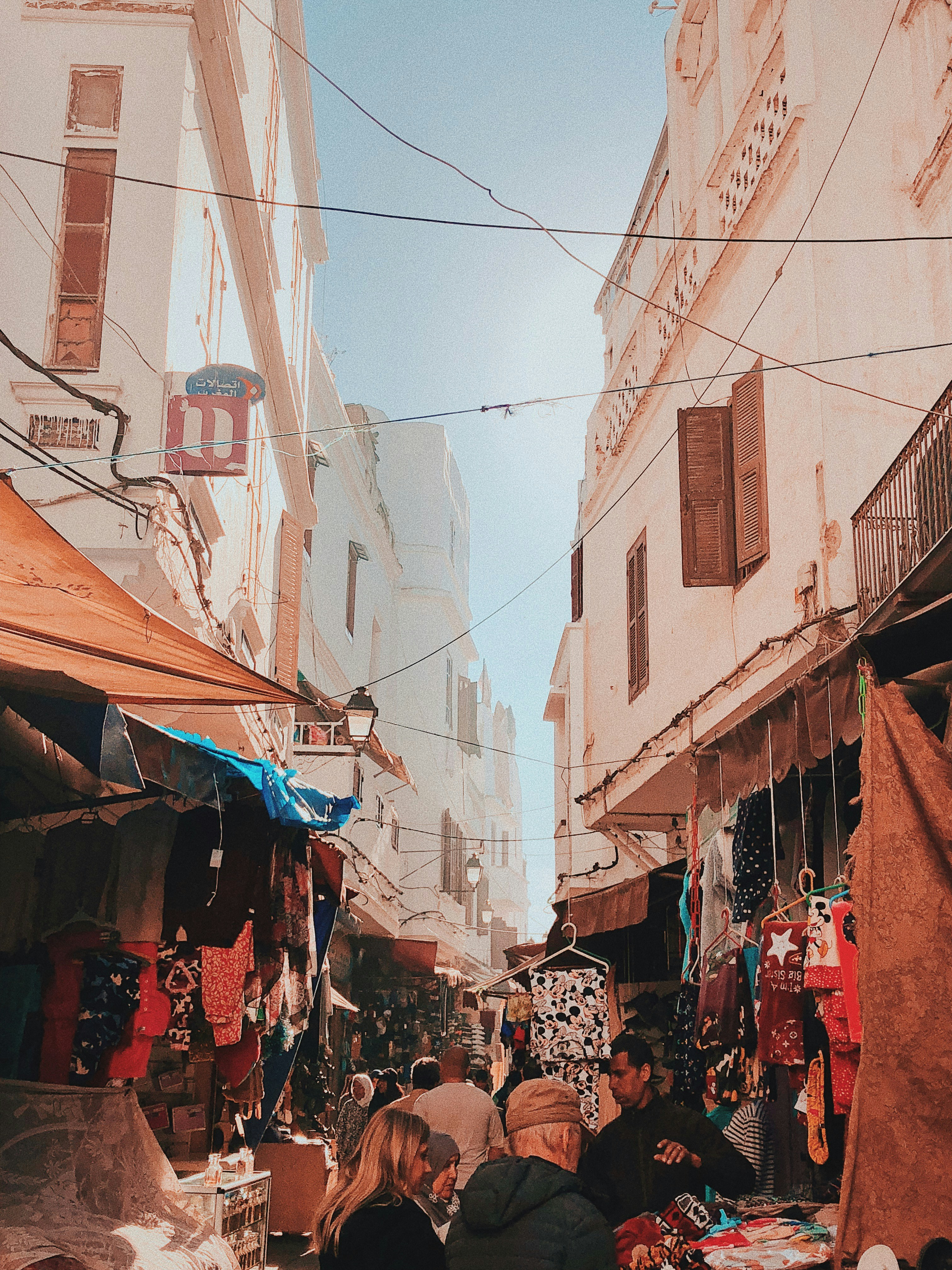
The bazaar continued to thrive under the Ottoman Empire, from the 16th to the 19th centuries, becoming an integral part of Cairo’s economic landscape. It was during this time that the architectural fabric of Khan El Khalili evolved, witnessing the construction of mosques, shops, and public spaces that enriched its charm and made it a significant cultural landmark. The bustling alleyways of the bazaar were filled with the sounds of merchants beckoning customers, while the sights and smells of exotic goods created an enchanting atmosphere that attracted both locals and tourists alike.
Throughout its history, Khan El Khalili has been a witness to numerous key events, including political upheavals and social transformations. The bazaar has weathered the sands of time, managing to preserve its essence while adapting to changing economic and cultural contexts. Today, it stands as a symbol of Cairo’s cultural heritage, reflecting the city’s layered history and the fusion of various influences that have shaped it. As visitors stroll through the vibrant stalls and winding lanes of Khan El Khalili, they experience not only the bustling market life but also a connection to the historical narratives that define this enchanting destination.
Cultural Significance of Khan El Khalili
Khan El Khalili Bazaar stands as a vibrant testament to Egyptian culture, not merely a marketplace but a hub for community life and a keeper of traditions. This ancient bazaar, located in the heart of Cairo, operates as an open-air museum that showcases the craft and commerce of the past. Here, local artisans display their work, including handcrafted jewelry, intricate textiles, and dazzling souvenirs, all reflecting Egypt’s rich cultural heritage.
The bazaar significantly influences local customs and traditions, where it has established itself as a vital social gathering point. Whispers of ancient trade routes linger as shopkeepers engage customers in lively conversations, sharing stories about their products and on-going familial trades. Such interactions not only promote commerce but also foster a sense of community among locals, creating bonds that resonate with the history of the area.
Moreover, the Khan El Khalili Bazaar attracts thousands of tourists yearly, drawn by its unique atmosphere and offerings. Tourists find joy in navigating the narrow, winding alleys filled with an array of stalls, and they often leave with more than just material goods; they take home a piece of Egyptian culture and a deeper appreciation for the artisans behind the crafts. The presence of visitors allows for a blending of cultures, as foreign influences meld with traditional Egyptian practices, creating a dynamic cultural exchange.
As a vital player in preserving traditional crafts, the bazaar ensures that ancient techniques are passed down through generations. Efforts to maintain the integrity of these practices amidst modern influences highlight the importance of Khan El Khalili as a facilitator of cultural continuity, reinforcing its role not just as a marketplace, but as a vital cultural institution in Egypt.
What to See and Do at Khan El Khalili
The Khan El Khalili Bazaar, a vibrant marketplace located in Cairo, is known for its rich tapestry of sights, sounds, and experiences. As you wander through its narrow alleyways, you will encounter numerous shops offering a variety of goods that reflect Egypt’s cultural heritage. From traditional handicrafts and jewelry to spices and textiles, the bazaar is a treasure trove of unique items that attract both tourists and locals alike.
Visitors should not miss the famed El-Fishawy Café, a historic spot that has been in operation since the 18th century. With its bustling atmosphere and authentic Egyptian ambiance, it is an ideal place to rest and indulge in local delicacies. The café is particularly known for its aromatic mint tea and rich Arabic coffee, which provide a delightful pause from shopping. Nearby, artisan stalls showcase handmade crafts, including intricate metalwork, ornate glassware, and exquisite pottery, making it a prime location for those seeking to take home a piece of Egypt.
The bazaar also offers cultural experiences that enhance its allure. Street performances are common, featuring traditional music and dance, while vendors often display their crafting techniques to onlookers. Engaging with the artisans not only supports the local economy but enriches one’s understanding of the art and skill involved in these trades. Food lovers will also find a variety of local street food, from falafel to baklava, adding to the sensory experience of the market. Therefore, whether you are shopping for spices, jewelry, or simply enjoying the vibrant atmosphere, the Khan El Khalili Bazaar promises a rich and immersive experience that captures the essence of Egypt’s heritage.
Practical Visitor Information and Tips for Travelers
The Khan El Khalili Bazaar, located in the heart of Islamic Cairo, is one of the oldest bazaars in the Middle East. To fully immerse oneself in the experience, it is essential to know some practical visitor information. The bazaar is generally open daily from 9:00 AM to 10:00 PM, but it is advisable to visit in the morning or late afternoon to avoid the peak heat of the day, especially during the summer months.
Reaching Khan El Khalili can be accomplished through various modes of transportation. Local taxis, ride-sharing apps, and public buses are readily available throughout Cairo. For an authentic experience, consider taking a traditional horse-drawn carriage or a “calèche”. If you are nearby, walking is a pleasant way to enjoy the vibrant streets of Cairo. It is essential to remain aware of your surroundings, as the bazaar can be busy and occasionally chaotic.
Visitors should be mindful that there is no entrance fee to wander through the bazaar, but prices for goods can vary widely. Negotiation is a common practice, and haggling is encouraged to ensure you get the best deal. Amenities are available within the market, including restrooms and ATMs, but it is a good idea to carry some cash, as smaller shops may not accept credit cards.
For a safer and more enjoyable experience, it is recommended to go with a friend or a small group. Keep bags secured and be cautious in crowded areas. Explore shop after shop, but take your time to soak in the atmosphere and engage with local artisans. The Khan El Khalili Bazaar promises an unforgettable adventure for every traveler, filled with culture, history, and unique shopping opportunities.