Historical Background of the Muhammad Ali Mosque
The Muhammad Ali Mosque, also known as the Alabaster Mosque, stands as a testament to the architectural and cultural evolution of Egypt during the 19th century. Commissioned by Muhammad Ali Pasha, the Ottoman ruler who dominated the region from 1805 to 1848, this mosque symbolizes a pivotal shift in Egyptian history. It was constructed between 1830 and 1848 and designed by the Greek architect Mario Rossi. The mosque’s grand scale and opulent materials, including the extensive use of alabaster, reflect Muhammad Ali’s intentions to showcase his power and the modernization efforts he initiated in Egypt.
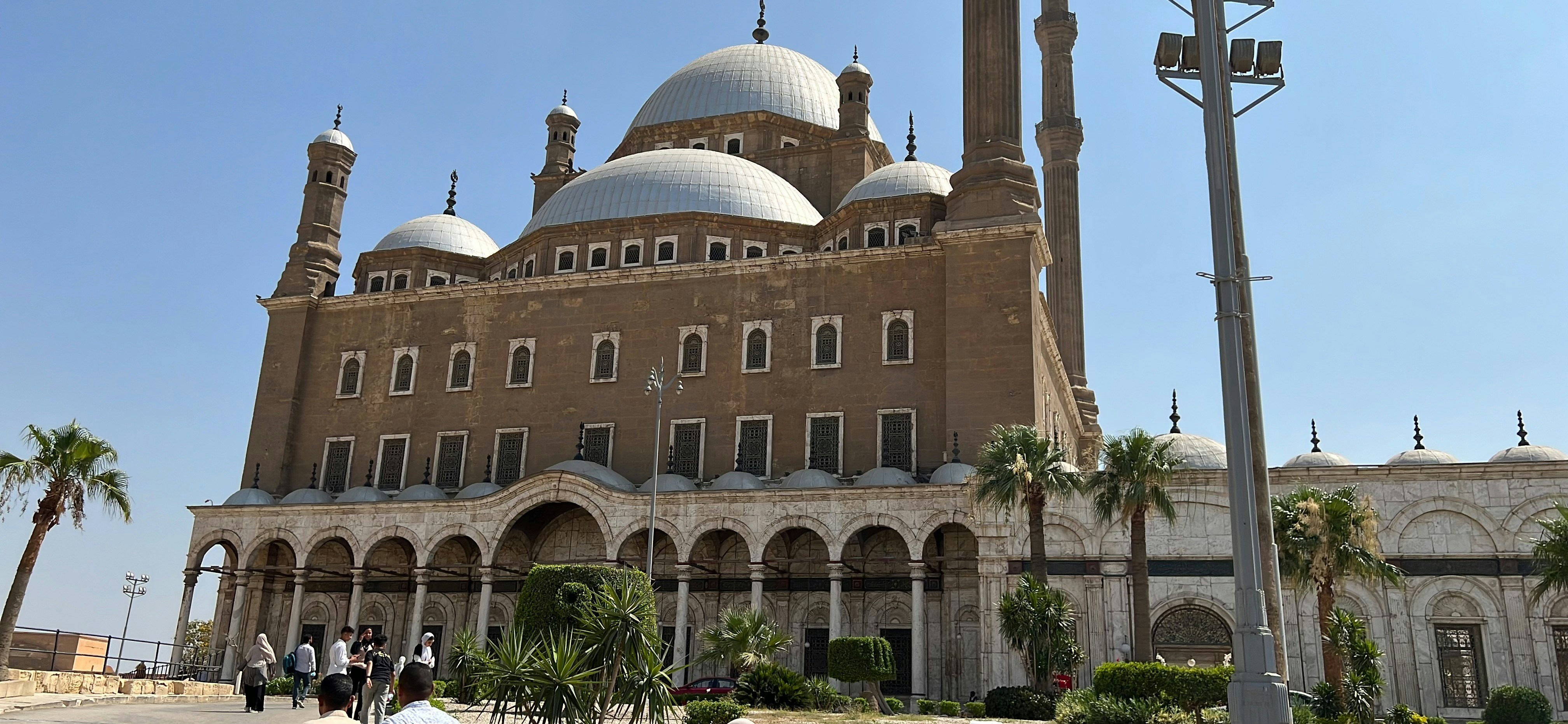
The architecture of the Muhammad Ali Mosque draws inspiration from various styles, most notably Ottoman and Mameluke forms, culminating in a unique synthesis that denotes the eclectic nature of the period. Its large dome, surrounded by several smaller domes and towering minarets, demonstrates the grandeur associated with Islamic architecture while also incorporating elements aimed at representing Egypt’s growing national identity. This mosque is not only a religious site but has come to symbolize Egyptian nationalism, establishing a powerful connection between the populace and Islamic heritage.
During a time of significant political and social upheaval, the construction of the Muhammad Ali Mosque marked a key moment in the reformation of Egyptian society. The mosque served dual purposes: a place of worship and a national landmark that unified the people under the banner of Islamic values and Egyptian pride. As Egypt transitioned from the Ottoman Empire’s control toward a more self-governing state, the mosque became a symbol of that journey, reflecting the societal changes and aspirations of the Egyptian people in the face of modernization.
Cultural Significance of the Mosque
The Muhammad Ali Mosque, also known as the Alabaster Mosque, is not merely an architectural marvel; it holds profound cultural significance for Egyptian society. Constructed in the early 19th century, the mosque has served as a vital venue for religious practices, thereby reinforcing its status as an important spiritual hub for Muslims. Its grand prayer hall accommodates a large congregation, reflecting the mosque’s purpose as a center for communal worship and gatherings, particularly on significant Islamic occasions.
Beyond its primary function as a place of worship, the Muhammad Ali Mosque embodies national pride for the Egyptian people. It stands prominently on the Citadel of Cairo, symbolizing the strength and resilience of the nation’s Islamic heritage. The mosque, with its majestic domes and towering minarets, serves as a visual representation of Cairo’s rich history and culture. Furthermore, it has become an iconic landmark, attracting countless visitors, both local and international, who seek to appreciate its architectural brilliance as well as its cultural context.
The mosque’s influence extends into the realms of art and literature, where it is often depicted as a symbol of Islamic architecture and grandeur. Many artists have drawn inspiration from its design, capturing the intricate details and Islamic motifs that adorn its façade. Likewise, literary references to the Muhammad Ali Mosque highlight its role in shaping Cairo’s urban landscape and its impact on Egyptian identity. The mosque stands as a testament to Egypt’s Islamic narrative, reinforcing its historical legacy within the broader context of Islamic architecture.
What to See and Do at the Muhammad Ali Mosque
Visiting the Muhammad Ali Mosque, also known as the Alabaster Mosque, offers a unique opportunity to immerse oneself in the grandeur of Islamic architecture. Upon arrival, the most striking feature is undoubtedly the magnificent dome, which stands at an impressive 52 meters high. The dome is adorned with intricate details, showcasing the remarkable craftsmanship that defines this landmark. Visitors should take a moment to appreciate the mosque’s six towering minarets, which rise majestically above the Cairo skyline, adding to the mosque’s spectacular presence.
Inside the mosque, guests can explore the vast prayer hall, lined with alabaster walls that reflect light beautifully, creating a serene atmosphere. The detailed marble floors and stunning chandeliers enhance the mosque’s interior, making it a perfect setting for photography. Be sure to capture images of the intricate Islamic calligraphy that embellishes the walls, as well as the ornate mihrab, which indicates the direction of Mecca.
Guided tours of the Muhammad Ali Mosque are available and recommended for a deeper understanding of its historical and architectural significance. Knowledgeable guides provide insights into the mosque’s construction during the rule of Muhammad Ali Pasha in the 19th century and the influences of Ottoman architecture evident throughout. Visitors should also not miss nearby attractions, such as the Citadel of Salah al-Din, which offers panoramic views of the mosque.
When visiting, it is advisable to dress modestly, respecting the local customs and traditions. Engaging with the site’s rich history and artistry can greatly enhance one’s experience at the Muhammad Ali Mosque, making it a memorable part of any trip to Egypt.
Practical Visitor Information and Tips
The Muhammad Ali Mosque, an iconic landmark nestled within the Citadel of Cairo, attracts countless visitors each year. To fully enjoy your visit, it’s essential to keep in mind a few practicalities. The mosque is conveniently located in the center of Cairo, making it accessible via several transportation options including taxis, buses, and the metro. For those driving, the mosque is situated near main roads that lead into the Citadel complex.
When planning your visit, note that the mosque is open to the public every day from 9 AM to 5 PM. Admission is typically free; however, donations are appreciated to help maintain the beautiful structure. It is advisable to arrive early in the morning or late afternoon to avoid large crowds and to appreciate the mosque’s serene ambiance during these quieter times.
Accessibility is generally good at the Muhammad Ali Mosque, allowing visitors with mobility concerns to navigate the site. Facilities, such as restrooms and gift shops, can be found nearby; the gift shop offers a range of souvenirs, including artifacts representative of Islamic culture.
Regarding cultural norms, dress codes are upheld to respect the sanctity of the mosque. Visitors are kindly requested to wear modest clothing, covering shoulders and knees, and to remove shoes before entering the prayer hall. Furthermore, maintaining a quiet atmosphere while savoring the mosque’s tranquil surroundings is encouraged.
A visit to the Muhammad Ali Mosque can be part of a broader exploration of nearby attractions, such as the National Military Museum and the Citadel itself. By planning ahead and being mindful of cultural etiquette, tourists can ensure a rewarding experience at this architectural gem in the heart of Egypt.