
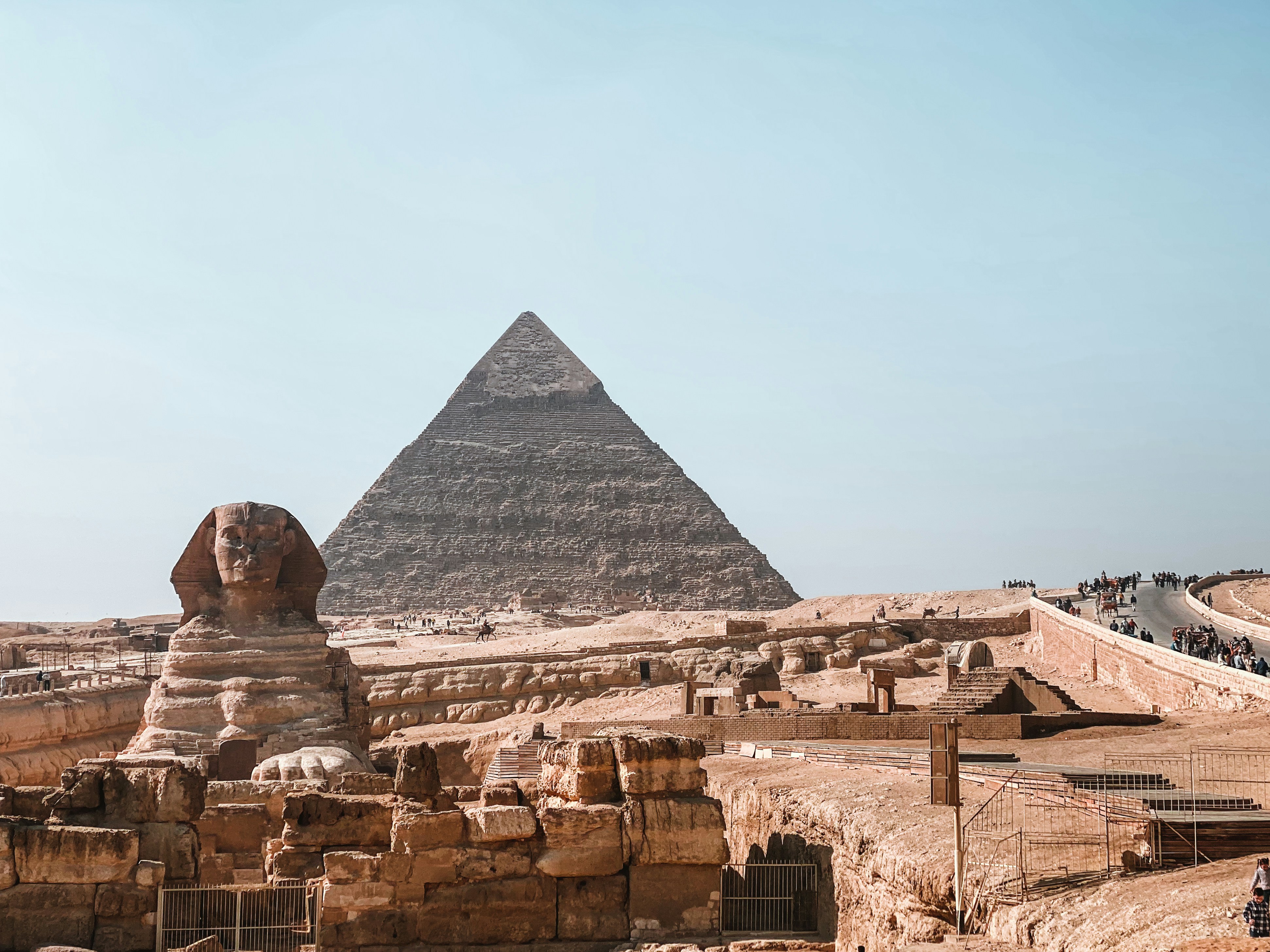
Historical Background of the Saqqara Step Pyramid
The Saqqara Step Pyramid is recognized as the oldest monumental stone building in Egypt, marking a significant advancement in ancient architectural practices. Its construction began around the 27th Dynasty during the reign of Pharaoh Djoser, around 2630 BCE, and symbolizes the innovative spirit of the Old Kingdom period. The pyramid was designed by the architect Imhotep, who is often credited with introducing the concept of constructing a pyramid from large stone blocks rather than the traditional mudbrick. This was a pivotal moment in architectural history, as it would lay the groundwork for the development of later pyramids such as those found at Giza.
Constructed originally as a tomb for Pharaoh Djoser, the Saqqara Step Pyramid was embedded within a larger complex that featured courtyards, temples, and other structures meant for rituals and ceremonies. This site underscores the importance of burial practices in ancient Egyptian culture, reflecting their belief in the afterlife. The pyramid’s design—composed of six stepped layers—served not only a funerary purpose but also symbolized the pharaoh’s ascent to the heavens, intertwining religion, architecture, and politics.
Over the years, extensive archaeological work at the Saqqara site has unearthed numerous artifacts and insights into ancient Egyptian society. Among these discoveries are burial shafts and remnants of sacrificial offerings, which provide context for understanding the rituals associated with these monumental structures. Key historical figures linked to the Saqqara Step Pyramid include not only Pharaoh Djoser but also Imhotep, whose revolutionary architectural designs influenced generations to come. The significance of the Saqqara Step Pyramid, therefore, extends beyond its physical structure; it embodies the historical, cultural, and religious evolution of ancient Egypt.
Cultural Significance of the Step Pyramid
The Saqqara Step Pyramid, constructed during the reign of Pharaoh Djoser in the 27th century BCE, marks a pivotal moment in ancient Egyptian architecture and culture. This monumental structure represents the evolution of pyramid construction, transitioning from simple mastabas to the grand pyramid format. The innovative tiered design, built by the architect Imhotep, not only served a funerary purpose but also symbolized a monumental leap in engineering and artistic expression in ancient Egypt.
Religiously, the Step Pyramid holds substantial significance, reflecting the ancient Egyptians’ beliefs in the afterlife. It was constructed as a part of a larger mortuary complex intended to ensure the Pharaoh’s safe passage to the afterlife, encompassing a series of temples and ceremonial areas. The pyramid’s stepped design is believed to represent the Pharaoh’s ascent to the heavens, facilitating his union with the sun god Ra. This conception of the afterlife is central to ancient Egyptian religion, as it influences the burial practices and architectural endeavors throughout the civilization.
Furthermore, the Saqqara Step Pyramid has had a lasting impact on subsequent pyramid designs, laying the groundwork for later structures, such as those found in Giza. Its architectural innovations inspired future pharaohs and served as a model for the pyramids that followed, proving the enduring legacy of this ancient marvel.
In modern times, the Step Pyramid is recognized as a UNESCO World Heritage Site and a crucial part of Egypt’s extensive heritage. It attracts tourists and researchers alike, serving not only as an archaeological site but also as a symbol of Egypt’s rich history and cultural identity. The continued interest in the Saqqara Step Pyramid underscores its importance as a cornerstone of ancient Egyptian civilization, illustrating the powerful connection between past and present.
What to See and Do at Saqqara
The Saqqara Step Pyramid is the centerpiece of the expansive Saqqara archaeological site, a crucial part of ancient Egypt’s history. Visitors to Saqqara can expect a rich tapestry of ancient architecture, tombs, and intriguing inscriptions. The Step Pyramid itself, built during the Third Dynasty under the reign of Pharaoh Djoser, serves as a monumental example of early pyramid construction and reflects the evolution of Egyptian funerary architecture.
Beyond the Step Pyramid, the site is home to numerous other significant structures. Among these, the Mastaba of Ti stands out, renowned for its beautifully preserved reliefs and inscriptions that provide insights into the daily life and beliefs of the ancient Egyptians. Exploring this mastaba offers visitors a glimpse into the societal structure of the time, as it was used for the burial of high-ranking officials.
Guided tours are highly recommended for those visiting Saqqara, as they enhance the experience by providing context and historical background. Knowledgeable guides help illuminate the meanings of the stunning carvings, the purpose of various tombs, and the overall significance of the site within ancient Egyptian culture. Visitors can also enjoy wandering through the remaining ruins and witnessing the vast landscape dotted with ancient monuments.
Furthermore, guests are encouraged to explore the surrounding necropolis, where hundreds of other tombs, each with unique characteristics, await discovery. Notable among them are the Pyramid of Unas and the Serapeum, which houses the sacred bulls. A visit to the Saqqara Step Pyramid and its surroundings can enhance any traveler’s itinerary with culture, history, and architectural marvels unparalleled in their significance to ancient Egypt.
Practical Visitor Information and Tips
The Saqqara Step Pyramid, located approximately 30 kilometers south of Cairo in Egypt, is easily accessible for travelers wishing to explore this ancient architectural marvel. When planning a visit, consider the opening hours; the site typically welcomes guests from 8:00 AM to 5:00 PM, although hours may vary during specific seasons and holidays. It is prudent to check the official site ahead of your visit for any updates.
As of now, the entrance fee to the Saqqara Step Pyramid is around 100 EGP for Egyptian residents and approximately 200 EGP for international visitors, which grants access not only to the pyramid itself but also to the surrounding necropolis area. To enjoy a comprehensive viewing experience, consider purchasing a guide service, which can provide deeper insights into the historical significance and structural uniqueness of the step pyramid.
Transportation options to the Saqqara site include hiring a taxi or using ride-sharing apps, which are widely available in Cairo. Buses also connect major tourist hubs with Saqqara, offering an economical transportation choice. It may be advantageous to travel early in the day to avoid crowds, especially during peak tourist seasons from October to April.
Facilities at the site include restrooms and small kiosks offering refreshments, though visitors are advised to carry their own water and snacks for convenience. As with any historical site, safety considerations are essential. Visitors should remain on designated pathways and be cautious of their surroundings, particularly in the unregulated areas surrounding the pyramid.
In preparing for your visit to the Saqqara Step Pyramid, dressing in comfortable clothing and sturdy footwear is recommended, as the terrain can be uneven. Overall, a well-planned visit to this ancient wonder promises to be a rewarding and educational experience.