
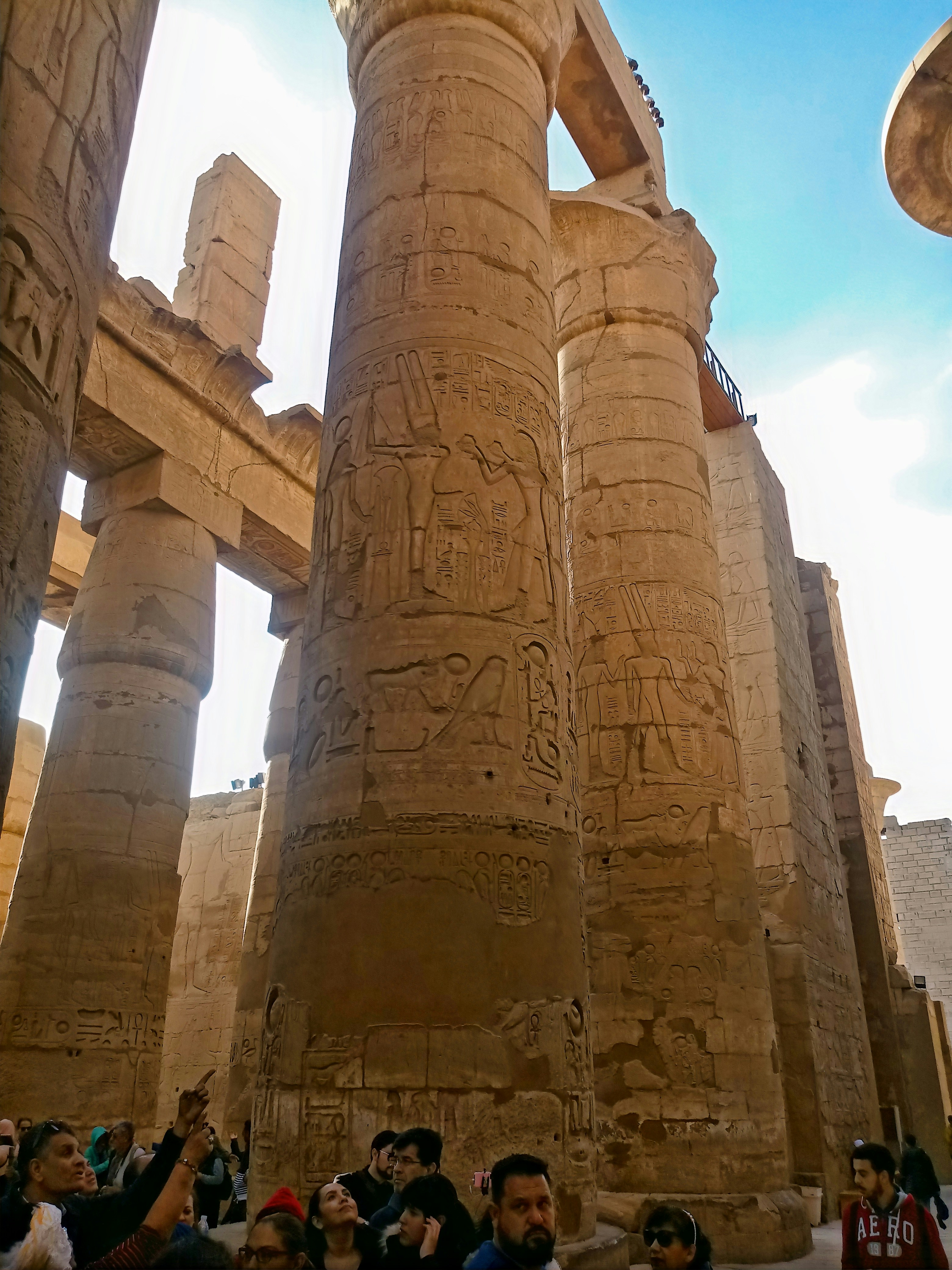
A Glimpse into History: The Origins of Memphis
Memphis, situated in the northern region of Egypt, dates back to around 3000 BCE. Established by the Pharaoh Narmer, who is often credited with uniting Upper and Lower Egypt, it became the first capital of Ancient Egypt. This city, named after the deity of the dead, Ptah, was more than just a political stronghold; it played a crucial role in the religious and cultural framework of the society.
During the Old Kingdom, Memphis city emerged as a predominant center of power. It served as the administrative heart where many pharaohs governed, facilitated trade, and enacted laws. One of the most significant achievements of this era includes the construction of monumental architecture, most notably the pyramids of Giza, located just outside the city. These constructions not only symbolize the technological and artistic advancements of the time but also reflect the strong belief in the afterlife that characterized Ancient Egyptian culture.
The city’s prominence continued beyond the Old Kingdom, as it was at the crossroads of vital trade routes, which bolstered its economy. Its strategic location enabled Memphis to become a melting pot of various cultures, fostering an environment of innovation and influence. Religious worship flourished as well, with numerous temples dedicated to various deities, including the famous Temple of Ptah, drawing pilgrims from far and wide.
Notable historical figures, such as the architect Imhotep and various pharaohs like Djoser and Khufu, played pivotal roles in shaping the identity of Memphis. Archaeological discoveries, including hieroglyphs and artifacts, offer insight into the daily lives, rituals, and societal structures of the time. Thus, the legacy of Memphis endures, illustrating its crucial role in the antiquity of Egypt and establishing it as a foundational pillar of civilization.
Cultural Significance: Memphis Through the Ages
The city of Memphis, often regarded as the ancient capital of Egypt, holds profound cultural significance that resonates throughout the ages. Established during the Early Dynastic Period, Memphis was not merely a political hub but also a center of religious and artistic innovation. The city’s geographical location, at the junction of Upper and Lower Egypt, made it a vital crossroads for trade, culture, and religious practices.
One of the most notable monuments that exemplify the cultural wealth of Memphis is the Pyramid of Djoser. Constructed by the architect Imhotep, it stands as the world’s earliest colossal stone building and marked a significant evolution in Egyptian architecture. This pyramid not only symbolized the divine authority of the Pharaoh but also showcased advancements in engineering and artistic expression that would influence countless generations.
Moreover, Memphis was home to numerous deities, with Ptah—considered the creator god and patron of craftsmen—being particularly revered. The temple dedicated to Ptah served as both a religious center and a cultural institution, where art, literature, and philosophy thrived. The city’s influence permeated the fields of religion, art, and architecture, setting a standard for subsequent Egyptian dynasties and beyond.
The city’s legacy extends into modern culture, where the rich historical narrative of Memphis informs contemporary Egyptian identity. Upon visiting the ruins, one can witness remnants of hieroglyphic inscriptions and colossal statues that narrate tales of a civilization known for its profound reverence for life, death, and the afterlife. The archaeological findings in Memphis continue to provide insight into ancient customs and beliefs, solidifying the city’s place as an enduring symbol of ancient Egyptian heritage.
Discovering Memphis: Attractions and Activities
Memphis city, known as one of the most significant archaeological sites reflecting ancient Egyptian civilization, offers a range of fascinating attractions and activities for travelers. One of the primary sites to visit is the Step Pyramid of Djoser, considered the world’s oldest stone monument. This pyramid showcases the architectural advancements of the Third Dynasty and serves as a perfect introduction to the grandeur of ancient Egyptian burial practices.
In addition to the Step Pyramid, visitors can explore the extensive ruins scattered around Memphis city. These remnants of ancient temples, palaces, and statues provide rich insights into daily life and religious practices of ancient Egyptians. Notable sites include the Temple of Ptah and the Alabaster Sphinx, which stand as testaments to the engineering prowess and artistic skills of the period.
For those interested in a more curated experience, the local museums in Memphis city are a treasure trove of artifacts and exhibits. The Memphis Museum hosts an impressive collection of items that date back thousands of years, allowing visitors to view everything from pottery to jewelry that was used in ancient times. Guided tours are recommended, as they enrich the experience with stories and detailed explanations of the significance of each exhibit.
Travelers can further engage with the history and culture by participating in workshops and events organized by local historians and archaeologists. These activities offer a hands-on approach to understanding the ancient civilization’s influence on modern life. Whether climbing the steps of the Step Pyramid or delving into local myths, visitors are guaranteed to leave with a deeper appreciation for what Memphis city represents in the tapestry of human history.
Practical Visitor Information: Tips for Travelers
When planning a visit to Memphis City, one of the most significant ancient capitals of Egypt, it is essential to be informed about various practical aspects that can enhance your experience. Located approximately 24 kilometers south of Cairo, reaching Memphis City is relatively straightforward. The most common mode of transportation is by car or taxi, but public buses are also available and provide an economical option for travelers. Additionally, guided tours often include transportation, making it convenient to tour the ancient ruins and artifacts.
In terms of accessibility, the major archaeological sites in Memphis typically open to visitors from 9 AM to 5 PM, allowing ample time for exploration. It is advisable to check specific opening times for attractions, as they may vary seasonally or due to special events. As for admission, ticket prices are generally affordable, ensuring that visitors can enjoy the rich historical offerings without significant financial strain.
When considering the best time to visit Memphis City, the cooler months from October to April are the most pleasant for outdoor exploration, allowing tourists to wander the vast archaeological sites with greater comfort. As temperatures rise, particularly during the summer months, visitors should be prepared for heat and potential overcrowding at major attractions.
Moreover, there are various amenities available for international travelers, including local eateries offering traditional Egyptian cuisine and shops selling souvenirs. As in any travel destination, exercising caution is advised—be aware of your surroundings and secure personal belongings. By following these tips, any traveler can fully enjoy what Memphis City has to offer. In conclusion, exploring this incredible city filled with historical significance promises to be a memorable experience that enriches your understanding of ancient Egyptian civilization.