Historical Background of Karnak Temple Complex
The Karnak Temple Complex, situated near the city of Luxor in Egypt, is one of the most significant examples of ancient architecture and religious significance, with its history dating back to the Middle Kingdom, approximately 2000 BCE. Initially serving as a modest temple for the worship of the sun god, Karnak gradually evolved into a vast religious center dedicated primarily to Amun, a major deity in Egyptian mythology. Over the centuries, it became a focal point for the religious life of ancient Egyptians, attracting pilgrims and monarchs alike.
Significant contributions to the complex were made by various pharaohs, each adding their own architectural styles and structures that reflected the prevailing artistic trends and religious beliefs of the time. For instance, Pharaoh Ramses II, one of the most famous rulers of ancient Egypt, left an indelible mark by constructing monumental sculptures and hypostyle halls, which showcased the grandeur and power of his reign. The new additions not only expanded the temple’s footprint but also enriched its spiritual ambiance and cultural relevance.
The architectural advancements seen within Karnak are a testament to the ancient Egyptians’ ingenuity and dedication to their faith, with large columns, intricately carved reliefs, and massive obelisks standing as symbols of the intersection between art, religion, and political power. The temple underwent continuous enhancements during the New Kingdom, encompassing various dynasties, further solidifying its status as a central site for worship and reverence. Significant events, including religious festivals and royal ceremonies, played a crucial role in shaping the temple’s legacy, ensuring that it remained a vibrant center of cultural and spiritual life in ancient Egyptian society. Ultimately, the Karnak Temple Complex represents not only an architectural marvel but also a remarkable narrative of faith and culture that has endured through millennia.
Cultural Significance and Architectural Wonders
The Karnak Temple Complex stands as a monumental testament to the religious and cultural life of ancient Egypt, serving as a pivotal place of worship and pilgrimage. At its heart lies the Grand Temple of Amun, dedicated to the chief deity of the ancient Egyptian pantheon. This temple was not merely a religious structure; it symbolized the political power and artistic ambitions of the Pharaohs. Throughout the centuries, many rulers contributed to its expansion, enhancing its spiritual and architectural grandeur.
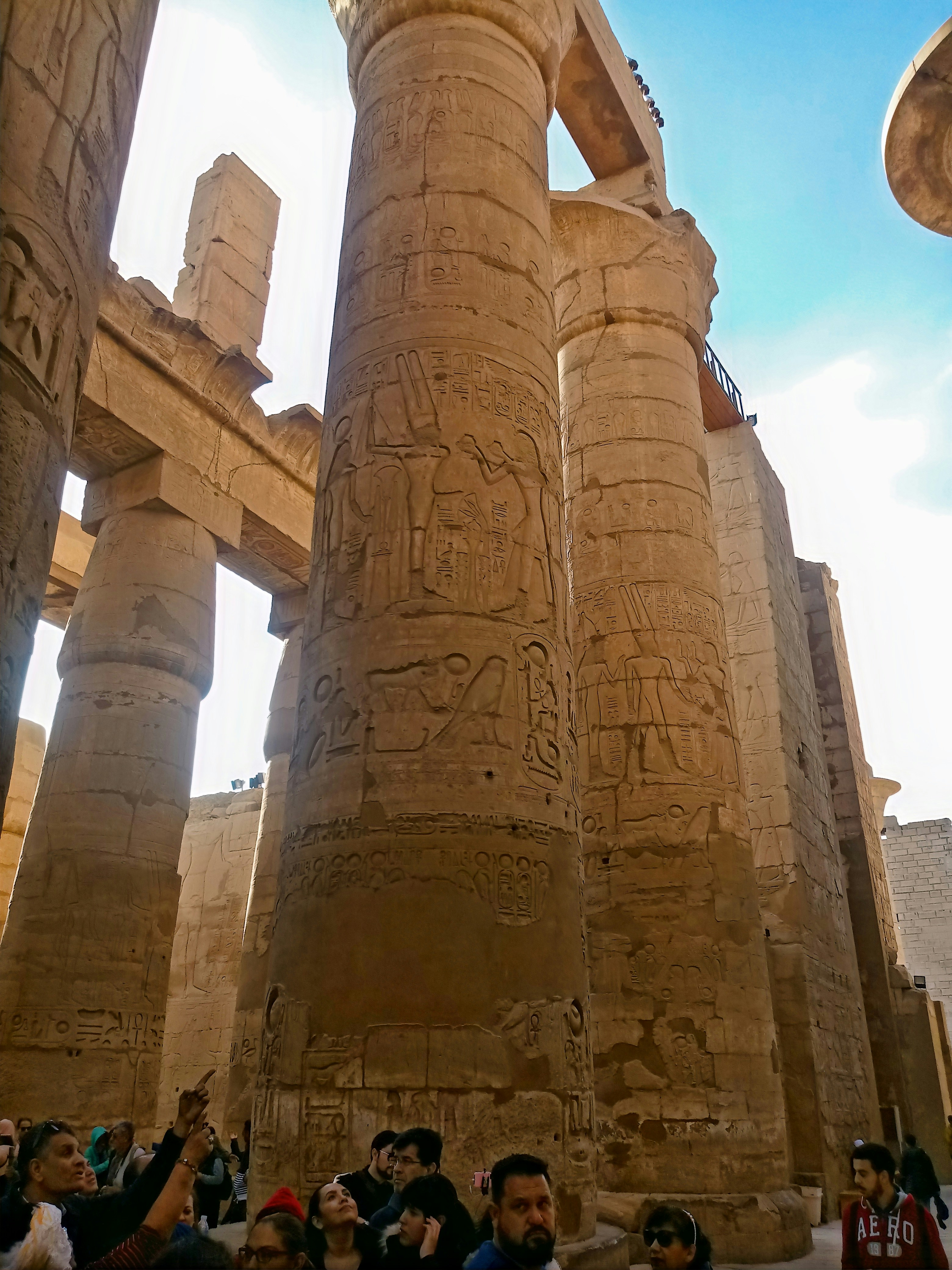
The remarkable features within the Karnak Temple Complex, including the Great Hypostyle Hall, present an extraordinary glimpse into the architectural ingenuity of the ancient Egyptians. This hall, with its 134 massive columns, showcases intricate hieroglyphs that depict religious rituals and celebratory scenes. The height and expansiveness of the hall invoke a sense of awe, reinforcing the idea of the divine presence that ancient Egyptians believed inhabited these sacred spaces.
Another architectural highlight is the presence of the magnificent obelisks, which served both a religious and commemorative purpose. These towering monuments, often inscribed with the names and achievements of Pharaohs, were symbolic beacons that directed worshippers to the sacred precincts of the temple. The Sacred Lake, located nearby, also held significant ritualistic value, serving as a site for purification and worship. It represents the embodiment of the life-giving waters associated with the Nile, a vital element in the Egyptian belief system.
The entire Karnak Temple Complex reflects the artistic achievements, beliefs, and rituals of ancient Egyptians, representing an intricate tapestry of spirituality that continues to captivate visitors today. The structures within this monumental site not only illustrate the architectural prowess of an ancient civilization but also highlight the enduring legacy of their cultural significance in history.
What to See and Do at Karnak Temple
The Karnak Temple Complex is one of the most impressive sites in ancient Egypt, renowned for its grandiose architecture and spiritual significance. Visitors are encouraged to explore the various attractions within the complex to fully appreciate its historical context and the artistry of ancient Egyptian civilization.
One of the must-see areas is the Avenue of Sphinxes, which connects the Karnak Temple to the Luxor Temple. This pathway is lined with hundreds of sphinx statues, offering an exquisite walking experience that immerses visitors in the grandeur of the past. Each sphinx symbolizes the protection offered to the temples, and walking along this avenue provides insight into both the religious and artistic practices of ancient Egyptians.
Another highlight is the Sacred Lake, a large body of water that reflects the surrounding temples, creating a picturesque view. The lake was used for ritual purification purposes, and spending time here allows visitors to appreciate the tranquility of the site while observing the natural beauty of the temple complex.
The temples dedicated to various deities are also a focal point. The Great Temple of Amun is the largest structure and showcases towering columns and intricate wall carvings. Visitors should allocate sufficient time to wander through these sacred spaces, as each temple reveals unique stories through its hieroglyphs and architectural features.
For an immersive experience, guided tours are highly recommended. Knowledgeable guides can offer deeper insights into the rich history and significance of the various structures. Additionally, the sound and light shows held in the evenings provide a captivating perspective on the mythologies associated with the Karnak Temple Complex.
If possible, explore the complex during different times of the day. The early morning offers a peaceful atmosphere, while sunset presents a stunning backdrop for photography, making each visit a unique adventure into the realms of ancient Egypt.
Practical Visitor Information and Tips for Travelers
The Karnak Temple Complex is located in Luxor, Egypt, and is a site that draws numerous visitors from around the world. When planning a visit, it is essential to consider the temple’s opening hours, which typically run from 6 AM to 5 PM, allowing visitors ample time to explore the expansive grounds. Entry tickets are reasonably priced, and for the best experience, travelers are advised to check for any promotional discounts or combined tickets that include other nearby attractions.
The climate in Luxor can be quite hot, especially during the summer months. For optimal visitation, the cooler months from October to April are recommended. During this period, temperatures are more manageable, making your exploration of the Karnak Temple Complex more comfortable. Nevertheless, be prepared for an abundance of sunshine; wearing a wide-brimmed hat, sunglasses, and sunscreen is advisable.
Transportation options to the Karnak Temple Complex are varied. Visitors can reach the site via local taxis, which are affordable and readily available, or by joining organized tour groups that often include transportation in their packages. If you prefer to drive, car rentals are available in Luxor, but it is essential to be mindful of local driving regulations.
For those requiring accessibility, the Karnak Temple Complex is equipped with ramps and designated pathways to ensure all visitors can navigate the site comfortably. Facilities such as restrooms, cafes, and gift shops are available to enhance your visit. It is beneficial to carry water bottles, comfortable footwear, and a camera to capture the breathtaking views and ancient architecture.
Lastly, when visiting, respecting local customs is crucial. Dress modestly, particularly when exploring religious sites, and be mindful of cultural etiquette, such as asking for permission before photographing individuals. These simple practices will enrich your experience at the Karnak Temple Complex while honoring the rich heritage of this ancient site.