Historical Background of the Valley of the Kings
The Valley of the Kings, located on the west bank of the Nile near Luxor, Egypt, serves as a significant historical site, renowned as the burial ground for many of the country’s most powerful pharaohs and elite nobles during the New Kingdom period, specifically spanning from the 16th to the 11th century BC. This rich necropolis marks a striking transition in ancient Egyptian burial practices, shifting from the monumental pyramids of the Old and Middle Kingdoms to the elaborate rock-cut tombs of the New Kingdom.
Historically, the valley was chosen for its strategic and symbolic significance. The rugged cliffs provided a natural barrier against tomb robbers, while the west bank of the Nile was associated with the realm of the dead, aligning with ancient beliefs about the afterlife. It became the favored location for pharaohs who sought to secure their place in eternity, with tombs designed to reflect their status and ensure safe passage to the afterlife.
The Valley of the Kings houses over 60 known tombs, including that of the famed King Tutankhamun, discovered in 1922 by archaeologist Howard Carter. This discovery was pivotal, as it revealed a wealth of artifacts and provided unprecedented insight into ancient Egyptian burial practices and beliefs. Other notable tombs include those of Ramses II and Seti I, each exemplifying the intricate artistry and complex construction techniques that characterized tomb design during this time.
Archaeological efforts in the valley have continued to uncover new findings, contributing to our understanding of ancient Egyptian culture, religion, and government. The Valley of the Kings thus stands not only as a royal necropolis but also as a lasting testament to the civilization’s architectural genius and enduring legacy.
Cultural Significance and Legacy
The Valley of the Kings holds profound cultural significance as a symbol of ancient Egyptian beliefs surrounding death and the afterlife. This royal burial site reflects the intricate practices that the Egyptians employed to honor their deceased Pharaohs and ensure their safe passage into the next world. The elaborate tombs carved into the rocky landscape are not merely resting places; they serve as repositories of rich cultural lore and religious tradition.
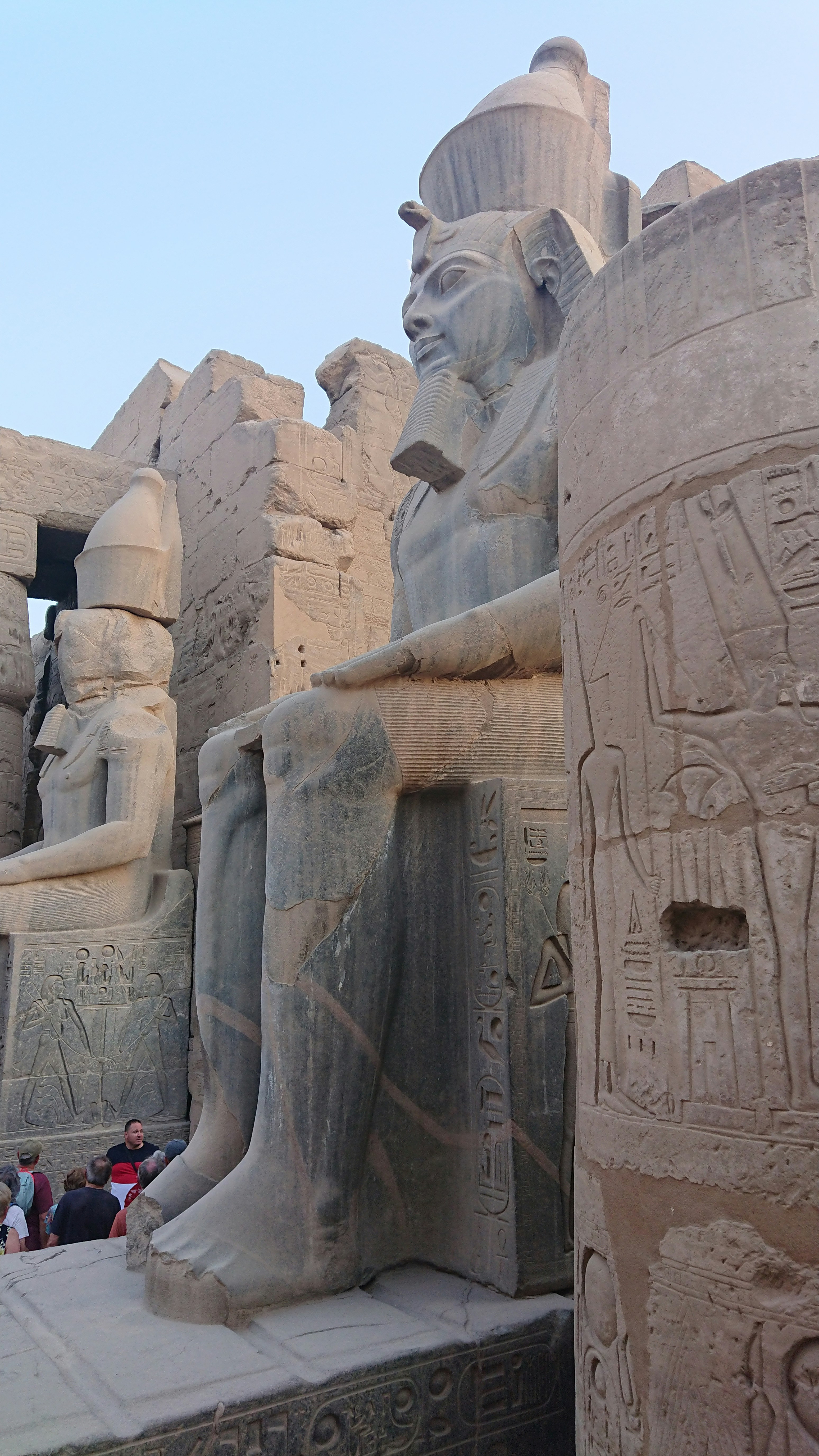
Each tomb is adorned with stunning artwork and inscriptions that provide insights into the life after death as envisioned by the Egyptians. These paintings often depict scenes of daily life and the afterlife, accompanied by hieroglyphs that outline prayers and spells intended to protect the deceased during their journey. The meticulous attention to detail in these artistic works demonstrates the Egyptians’ belief in an everlasting existence beyond the grave, highlighting their spiritual and cultural values.
The archaeological discoveries within the Valley of the Kings have significantly enriched our understanding of Egyptian civilization. Each discovery, from funerary artifacts to the mummified remains of royalty, opens a window into the past, revealing how ancient Egyptians viewed authority, status, and the cosmos. The significance of this necropolis extends beyond its physical remains; it embodies a pivotal aspect of Egyptian culture that has informed literature, art, and spirituality across centuries. As the guardians of the pharaohs’ eternal rest, the Valley of the Kings remains a testament to an enduring legacy that continues to fascinate scholars and enthusiasts of ancient history.
In conclusion, the Valley of the Kings serves not just as a burial site but as a critical cultural landmark that encapsulates the beliefs, customs, and artistic achievements of ancient Egypt. Its legacy endures, reminding us of the complex relationships between life, death, and the afterlife in one of history’s most captivating civilizations.
What to See and Do in the Valley of the Kings
The Valley of the Kings, a renowned burial ground located on the west bank of the Nile, serves as a repository of Egypt’s ancient royal tombs. Visitors to this remarkable site can explore an array of tombs that depict the grandeur and artistic expression of the New Kingdom period. Among the most notable is the tomb of Tutankhamun, known for its opulent treasures and the famous golden mask. This tomb offers a glimpse into the intricate burial rituals of ancient Egyptian kings and is a must-visit for anyone exploring this historical site.
Another significant tomb is that of Ramses III, which stands out for its well-preserved murals and architectural splendor. The frescoes within illustrate scenes from the afterlife and provide insights into the beliefs and customs that surrounded death in ancient Egypt. As you wander through the corridors of these tombs, take the time to admire the artistry that has survived millennia, reflecting the skill and devotion of those who crafted them.
In addition to the tombs, guided tours are highly recommended for those seeking a deeper understanding of the Valley of the Kings. Knowledgeable guides not only share the historical context of the site but also provide interesting anecdotes about each tomb’s discovery and significance. Travelers should also be mindful of the guidelines in place to protect these ancient relics, including restrictions on flash photography and the need to stay on designated pathways.
Moreover, visitors can engage with interactive exhibits at the nearby Visitor Center, where they can learn more about the excavation efforts and the ongoing research surrounding this iconic necropolis. This center plays a crucial role in preserving the legacy of the valley and offers an excellent starting point for exploration.
Practical Visitor Information and Travel Tips
The Valley of the Kings, renowned for its richly adorned tombs of ancient Egyptian pharaohs, is located on the west bank of the Nile River in Luxor, Egypt. This historical site can be easily accessed from Luxor, which is approximately a 30-minute drive. Visitors often choose to hire a taxi or use organized tours that include transportation. The site is well-signposted, making it relatively easy to navigate.
Opening hours for the Valley of the Kings vary by season. Generally, the site is open from 6:00 AM to 5:00 PM during winter months and from 6:00 AM to 7:00 PM in the summer. Ticket prices vary depending on access to specific tombs; a standard ticket is required for general entry, while additional fees apply for visiting certain tombs, like that of Tutankhamun, which is well worth the investment.
The best times to visit the Valley are during the early morning or late afternoon when temperatures are milder, especially between October and April. This time frame allows for a more enjoyable exploration experience, as the midday sun can be particularly harsh in Egypt. Dress comfortably and consider lightweight clothing as well as sturdy shoes, ideal for walking and climbing. Additionally, a hat and sunscreen are advisable.
Photography is largely permitted, but restrictions apply in specific tombs—adhering to these rules enhances the overall experience and preserves the site’s integrity. Engaging a professional guide can significantly enrich your visit by providing historical context and insight into the artifacts and art within each tomb. Clear communication with guides about expectations will ensure a fulfilling experience.
Restrooms are available at the entrance, and while there are minimal facilities within the Valley itself, it is recommended to carry water and snacks. Ultimately, planning ahead will enhance your journey through this remarkable archaeological site.