Historical Background of Deir el-Medina
Deir el-Medina is a significant archaeological site located on the west bank of the Nile, near Luxor, Egypt. Established during the New Kingdom period, around the 18th Dynasty (c. 1550-1292 BCE), this village served as the home for skilled artisans and laborers tasked with constructing and decorating the royal tombs in the nearby Valley of the Kings. The village is particularly known for its well-preserved state, offering a unique insight into the daily lives of ancient Egyptian workers.
The inhabitants of Deir el-Medina were not ordinary laborers; they were sophisticated artisans and builders whose expertise was essential for the continuity of the Egyptian burial practices. The artisans and their families formed a distinct community with a complex social structure, characterized by their specialized skills in art and craftsmanship that were crucial for the decoration and construction of tombs for the pharaohs and nobility. The village provided a unique opportunity for these workers to live in proximity to their place of employment, thereby fostering a strong sense of communal identity and pride.
In Deir el-Medina, the socio-economic environment was supported by practices that included a form of labor organization, whereby workers were paid for their contributions through rations and money. Archaeological findings reveal evidence of their daily activities, diet, and even legal disputes, highlighting the nuances of life in this settlement. Furthermore, the religious practices of the villagers indicate a belief system closely tied to their work; they worshipped deities associated with death and rebirth, such as Osiris and Hathor, reflecting their roles in ensuring the pharaohs’ successful passage to the afterlife.
Various archaeological discoveries, from papyri to burial objects, have shed light on the significance of Deir el-Medina in ancient Egyptian history. These artifacts reveal the organization of labor, social norms, and even the personal lives of the villagers, thus allowing historians and archaeologists to piece together the intricate tapestry of life in this remarkable ancient settlement.
Cultural Significance of Deir el-Medina
Deir el-Medina, often referred to as the village of the artisans, holds a prominent place in the cultural landscape of ancient Egypt. Established during the New Kingdom, it served as the residential area for skilled laborers who were tasked with the construction and decoration of royal tombs in the nearby Valley of the Kings. This village provides profound insights into the artistic and spiritual life of its inhabitants, reflecting the values and beliefs of ancient Egyptian civilization.
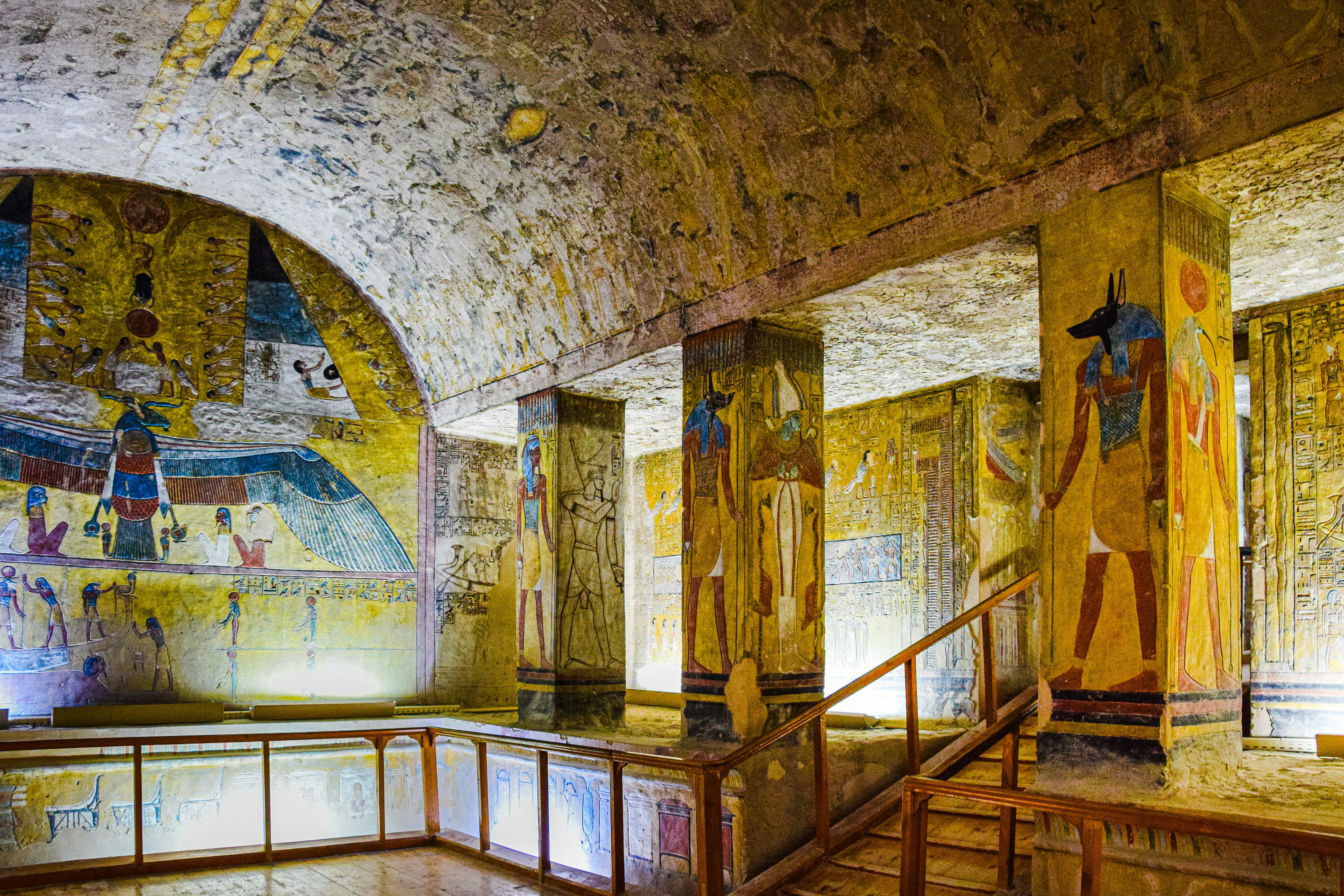
The artisans of Deir el-Medina were not only skilled craftsmen; they were also artists of great repute. The walls of their tombs are adorned with intricate mural paintings, which offer a glimpse into both daily life and the afterlife beliefs of the ancient Egyptians. These murals are celebrated for their vibrant colors and detailed depictions, showcasing the high level of artistry that these workers achieved. The significance of this artistry is evident in how it transcended mere decoration, standing as a form of communication with the divine. It served to ensure the deceased’s safe passage to the afterlife and their acceptance in the realm of the gods.
In addition to their artistic contributions, the people of Deir el-Medina also practiced diverse religious rituals that were essential in reinforcing their community ties and professional identities. Their beliefs were deeply intertwined with the mythology of ancient Egypt, leading to the development of unique spiritual customs. The villagers often held ceremonies to honor deities associated with craftsmanship, such as Ptah, the god of artisans, and Osiris, the god of the afterlife. By engaging in these practices, the inhabitants of Deir el-Medina expressed not just their personal faith but also their societal roles within the larger framework of ancient Egypt.
What to See and Do at Deir el-Medina
Deir el-Medina, often referred to as the village of the workers, offers visitors an exceptional glimpse into the daily lives of artisans who crafted the tombs for pharaohs in the Valley of the Kings. As you explore this ancient site, there are several key highlights to consider that will enrich your experience.
One of the main attractions is the remarkably preserved tombs, which showcase intricate carvings and vibrant wall paintings. These tombs, belonging to the artisans and their families, depict scenes of everyday life, religious rituals, and offerings to the gods. Notable tombs include those of Sennedjem and Inherkau, which are particularly well-preserved and offer insight into the burial customs of ancient Egyptian society.
In addition to the tombs, visitors should not miss the Temple of Hathor, dedicated to the goddess of love and joy. This temple features exquisite reliefs and provides a serene atmosphere ideal for reflection and photography. The site is less crowded compared to other tourist spots, allowing for an intimate experience with the history that surrounds you.
For those looking to take part in a guided tour, it is highly recommended to engage local experts who can provide context about the significance of the structures and art you will encounter, enhancing your understanding of Deir el-Medina. Photography enthusiasts will find endless opportunities to capture the breathtaking frescoes and architectural features, so a good camera is a must.
Lastly, immerse yourself in the community and culture by participating in workshops or presentations, often scheduled on-site. These experiences can provide a deeper connection to the historical significance of Deir el-Medina and offer a memorable contribution to your visit. Ultimately, planning your visit with these key sites and activities in mind will ensure a rewarding exploration of this treasure trove of ancient Egyptian history.
Practical Visitor Information and Travel Tips
Deir el-Medina, often regarded as one of the most significant archaeological sites in Ancient Egypt, remains a fascinating destination for history enthusiasts and travelers alike. To ensure a smooth visit, here is essential practical information for international tourists planning their journey to this hidden treasure.
Location-wise, Deir el-Medina is situated on the West Bank of the Nile, near Luxor, making it accessible from various nearby cities. It is advisable to allocate time for transportation from major urban areas. The site is around 5 kilometers from the city of Luxor. Various transportation options, including taxis, private tours, and shuttle services, are available to facilitate this journey.
The site is typically open to visitors from 8:00 AM to 4:00 PM, providing ample time to explore its rich history. Ticket prices are quite reasonable, with standard entry fees usually around 100 Egyptian Pounds; however, it is wise to check current rates prior to your visit. The best time to visit Deir el-Medina is between October and April, when the weather conditions are milder and more conducive to outdoor exploration.
Facilities for tourists are available at the site. Restrooms are provided, along with designated parking areas for those traveling by personal vehicle. Nearby accommodations range from budget hotels to luxury resorts, catering to various preferences and budgets.
For an optimal experience, it is recommended to wear comfortable footwear, stay hydrated, and take sun protection measures, as sun exposure can be significant, especially during the day. Hiring a knowledgeable local guide can enhance understanding of the site’s historical context. Having a camera at hand is advisable, as the site offers numerous opportunities to capture the rich cultural heritage preserved within its remnants.