Historical Background of Philae Temple
The Philae Temple, dedicated to the worship of the goddess Isis, stands as a significant monument in ancient Egyptian history. Constructed during the Ptolemaic period, specifically between 380 and 362 BC, the temple served not only as a religious sanctuary but also as a cultural center where various aspects of ancient Egyptian belief systems were practiced and celebrated. The site originally was located on Philae Island, which lies in the Nile River and was characterized by its unique architectural style and intricate carvings that tell the stories of Isis and Osiris, central figures in Egyptian mythology.
The island where the temple resides has been an area of spiritual significance since at least the 2nd Dynasty, with records indicating that a shrine dedicated to Isis was present long before the temple’s construction. Archaeological discoveries at the site have revealed numerous artifacts that provide insight into both the architectural advancements of the era and the religious practices surrounding Isis, particularly her role as a protector and goddess of motherhood.
However, the construction of the Aswan High Dam in the mid-20th century posed a significant threat to the integrity of the Philae Temple due to rising water levels. To preserve this historical gem, a massive relocation project was undertaken between 1972 and 1980, wherein the entire temple complex was carefully dismantled and reconstructed on higher ground at Agilkia Island, also near Aswan. This operation was significant not only for preserving the temple but also for showcasing the efforts made to safeguard Egypt’s archaeological heritage amidst modern challenges. Through all these efforts, the Philae Temple today continues to be a testament to the ancient Egyptians’ architectural prowess and their deep-seated religious beliefs.
Cultural Significance and Architectural Features
The Philae Temple, dedicated to the goddess Isis, holds immense cultural significance as a major site of pilgrimage for ancient Egyptians. Revered as a center for worship and a sanctuary for the divine manifestations of Isis, Philae Temple was considered a site where the mortal and divine realms converged. Pilgrims traveled from far and wide to seek blessings and partake in rituals that celebrated fertility, motherhood, and the afterlife, all of which were vital aspects of ancient Egyptian spirituality.
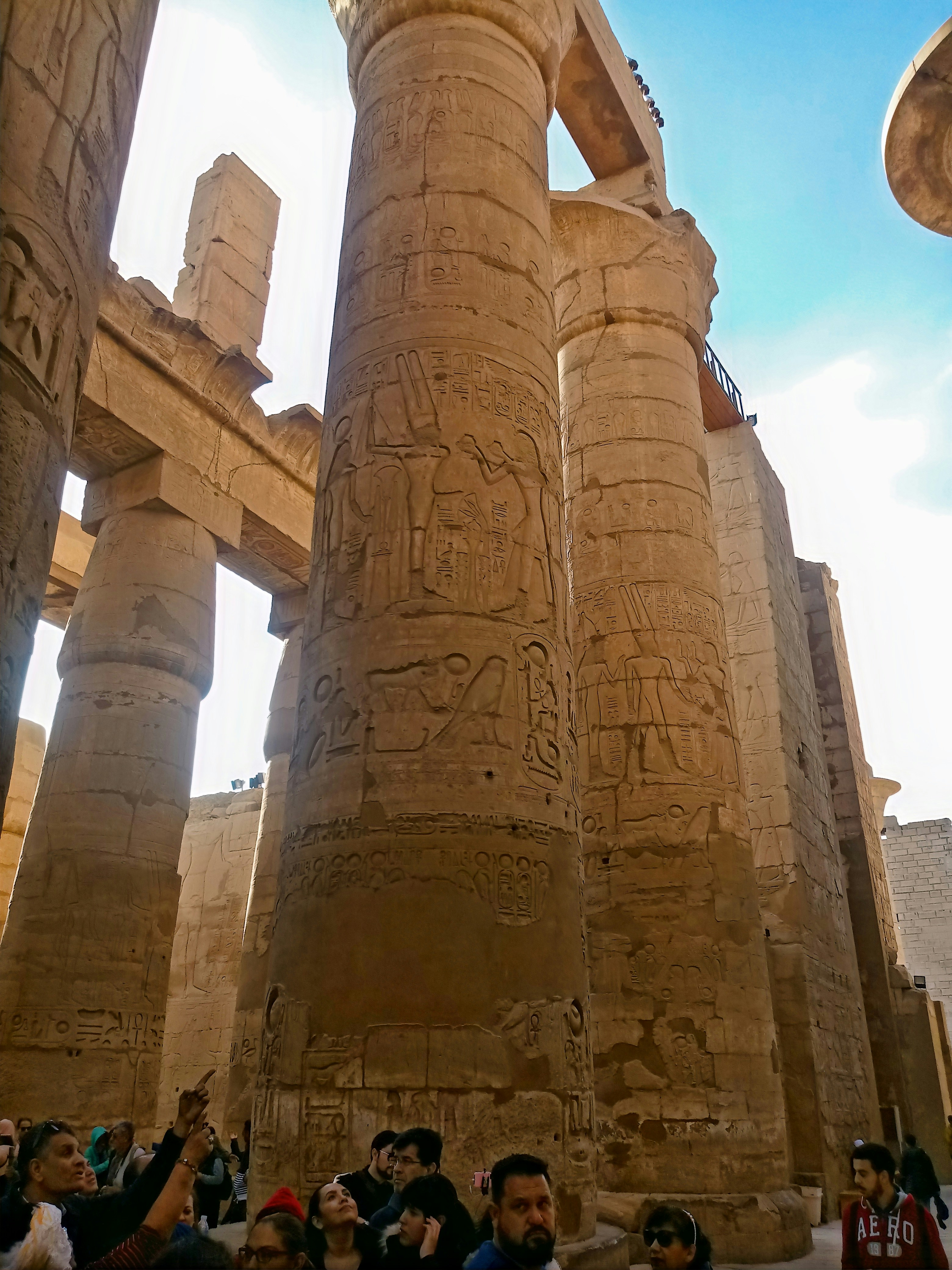
Architecturally, Philae Temple showcases the grandeur and intricacy characteristic of the Ptolemaic period. Constructed primarily of sandstone, the temple complex is noted for its ornate carvings and detailed hieroglyphics that narrate the tales of the goddess and other deities, such as Osiris and Horus. Visitors are often captivated by the remarkable depiction of deities in various poses, illustrating their significance in the Egyptian pantheon. The use of symbolic elements, like the ankh and the was scepter, further underscores the importance of the divine in everyday life.
One of the prominent architectural features of Philae is its unique layout, which includes several temples and shrines intricately connected to each other. The central temple, with its grand entrance flanked by tall columns, exemplifies the classical architectural style of the time. Furthermore, the meticulous attention to the alignment of the temple with celestial events reflects the ancient Egyptians’ profound understanding of astronomy and its relationship with their religious beliefs. This exceptional blend of artistry and spirituality at Philae Temple makes it not merely an archaeological site but a testament to the rich cultural heritage of Egypt.
Exploring the Philae Temple Complex
The Philae Temple, dedicated primarily to the goddess Isis, stands as a remarkable testament to ancient Egyptian architecture and spirituality. Located on the picturesque island of Philae in Lake Nasser, the temple complex is replete with various attractions that beckon travelers. As visitors walk through its intricately designed halls and courtyards, they can admire ancient reliefs and hieroglyphs that tell stories of divine myths and royal chronicles.
Among the notable monuments, the Temple of Isis is the centerpiece, showcasing a grand architectural layout with numerous pylons, shrines, and sanctuaries. The obelisks, soaring to great heights, are awe-inspiring, and they offer excellent photographic opportunities against the backdrop of the shimmering lake. In addition to Isis’s temple, various smaller temples and monuments dedicated to other deities are scattered throughout the island, each providing a glimpse into Egypt’s rich mythology.
The serene surroundings of Philae Island enhance the experience, allowing visitors to engage in tranquil reflection amid the natural beauty. As you explore, consider joining a guided tour to gain insightful perspectives on the temple’s historical significance and fascinating lore. Guided tours often include discussions about the temple’s role in ancient times as well as its preservation efforts following the construction of the Aswan High Dam.
For photography enthusiasts, there are specific areas along the island that provide breathtaking angles of the temple against the lake at different times of day. Visitors should also keep an eye out for cultural events, as local traditions occasionally include festivities that celebrate ancient Egyptian heritage, further enriching the experience at Philae Temple.
Practical Visitor Information and Tips for Travelers
For those planning to visit the remarkable Philae Temple, it is essential to gather relevant information to ensure a fulfilling experience. Located on Agilkia Island, near Aswan in Egypt, this temple complex is accessible predominantly by boat. The temple is not just an architectural marvel; it is a site rich in history and culture that warrants exploration.
The Philae Temple is typically open every day from 6 AM to 5 PM, but it is advisable to check for seasonal changes in hours before your trip. Entrance fees may vary, typically ranging around 100 Egyptian pounds for foreign tourists, with reduced rates for students. It is best to carry local currency to avoid inconveniences during your visit. Group tours often include entrance fees, which may provide additional savings on costs.
The ideal times to visit the temple are during the cooler months, from October to April, when temperatures are more manageable. Early mornings or late afternoons tend to be less crowded and offer the most picturesque viewing opportunities, especially during sunrise or sunset when the temple is beautifully illuminated.
Transportation to the temple from Aswan can be arranged through various means. Many hotels and tour companies provide shuttle services or guided tours to enhance the experience. Alternatively, local taxis are available and can be negotiated prior to departure for a more flexible schedule. Once on-site, facilities such as restrooms and cafes can help enhance your visit, providing necessary amenities for a comfortable experience.
To maximize your experience, consider hiring a local guide who can offer insights into the rich history and significance of the Philae Temple. This can greatly enrich your understanding of the intricate carvings and inscriptions that adorn the site.
In conclusion, visiting the Philae Temple not only offers a glimpse into ancient Egyptian architecture but also provides an opportunity to absorb the cultural heritage of the region. Adequate preparation and awareness of practical aspects can significantly enhance your experience at this UNESCO World Heritage Site.