Historical Background of the Temple of Hatshepsut
The Temple of Hatshepsut, located near the Valley of the Kings, stands as a testament to the significant achievements of one of Egypt’s most influential leaders. Commissioned during the 18th Dynasty, this temple served as a mortuary site for Pharaoh Hatshepsut, who ruled from approximately 1479 to 1458 BCE. What sets Hatshepsut apart is her status as one of the few female pharaohs in ancient Egypt, a remarkable position in a male-dominated society. Her reign was characterized by extensive trade networks, monumental building projects, and a significant focus on the arts.
Architecturally, the temple showcases the innovative design of Senenmut, Hatshepsut’s loyal advisor and architect. The layout of the temple is unique; it features a series of terraces that ascend into the cliffs of Deir el-Bahari. The grand stairs that lead visitors through three distinct levels surrounded by lush gardens create an awe-inspiring environment meant to reflect the divine connection between Hatshepsut and the gods. Each aspect of the temple is meticulously designed to symbolize her divine birth and her transitions to the afterlife.
The construction of the Temple of Hatshepsut not only highlights the architectural prowess of the time but also signifies the complexities of power dynamics in ancient Egypt. Through its reliefs and inscriptions, the temple narrates the story of Hatshepsut’s divine right to rule, presented through imagery that aligns her with the gods. This strategic branding solidified her authority and depicted her as a role model for future generations. Moreover, the temple reflects the religious beliefs of ancient Egyptians, where the pharaoh was viewed as a mediator between the gods and the people, further enhancing Hatshepsut’s powerful image. As a monumental structure, the temple remains a remarkable example of political propaganda and religious devotion, encapsulating an important chapter in Egyptian history.
Cultural Significance of Hatshepsut’s Temple
The Temple of Hatshepsut, nestled beneath the cliffs of Deir el-Bahari, stands as a testament to the cultural and religious landscape of ancient Egypt. This architectural marvel was not only a grand structure but also a pivotal religious site dedicated to the worship of the goddess Hathor, known as the goddess of joy, music, and motherhood, alongside the paramount god Amun-Ra. The temple served as a sanctuary where rituals were performed to honor these deities, integrating the spiritual practices of the time with the daily lives of ancient Egyptians.
Moreover, the temple played a crucial role in cementing Hatshepsut’s legitimacy as a ruler during a time when female leadership was rare. Through various inscriptions and reliefs adorning the temple’s walls, Hatshepsut was depicted as a divine figure, highlighting her lineage from Amun-Ra. One notable narrative is the portrayal of her miraculous birth, which was intended to affirm her right to the throne and enhance her status in a patriarchal society. This strategic representation not only promoted her rule but also challenged the traditional gender norms of the ancient civilization, positioning her as one of Egypt’s most effective pharaohs.
Beyond its religious and political functions, the Temple of Hatshepsut is a canvas that narrates the artistic achievements of that era. The intricate reliefs and carvings that embellish its walls exemplify the sophistication of Egyptian art, telling stories of trade expeditions, including the famous journey to Punt. This blend of artistry and function illustrates how Hatshepsut’s temple served as a cultural hub, reflecting the innovation and creativity of Egyptians while ensuring that her legacy would endure through the ages.
What to See and Do at the Temple of Hatshepsut
The Temple of Hatshepsut, located on the west bank of the Nile near Luxor, is an architectural masterpiece that captivates visitors with its grandeur and historical significance. Upon arriving, guests should proceed to the terraced structure, which is a defining feature of the temple complex. The three layers of terraces ascend dramatically, presenting an awe-inspiring view of the surrounding cliffs and the lush valley below.
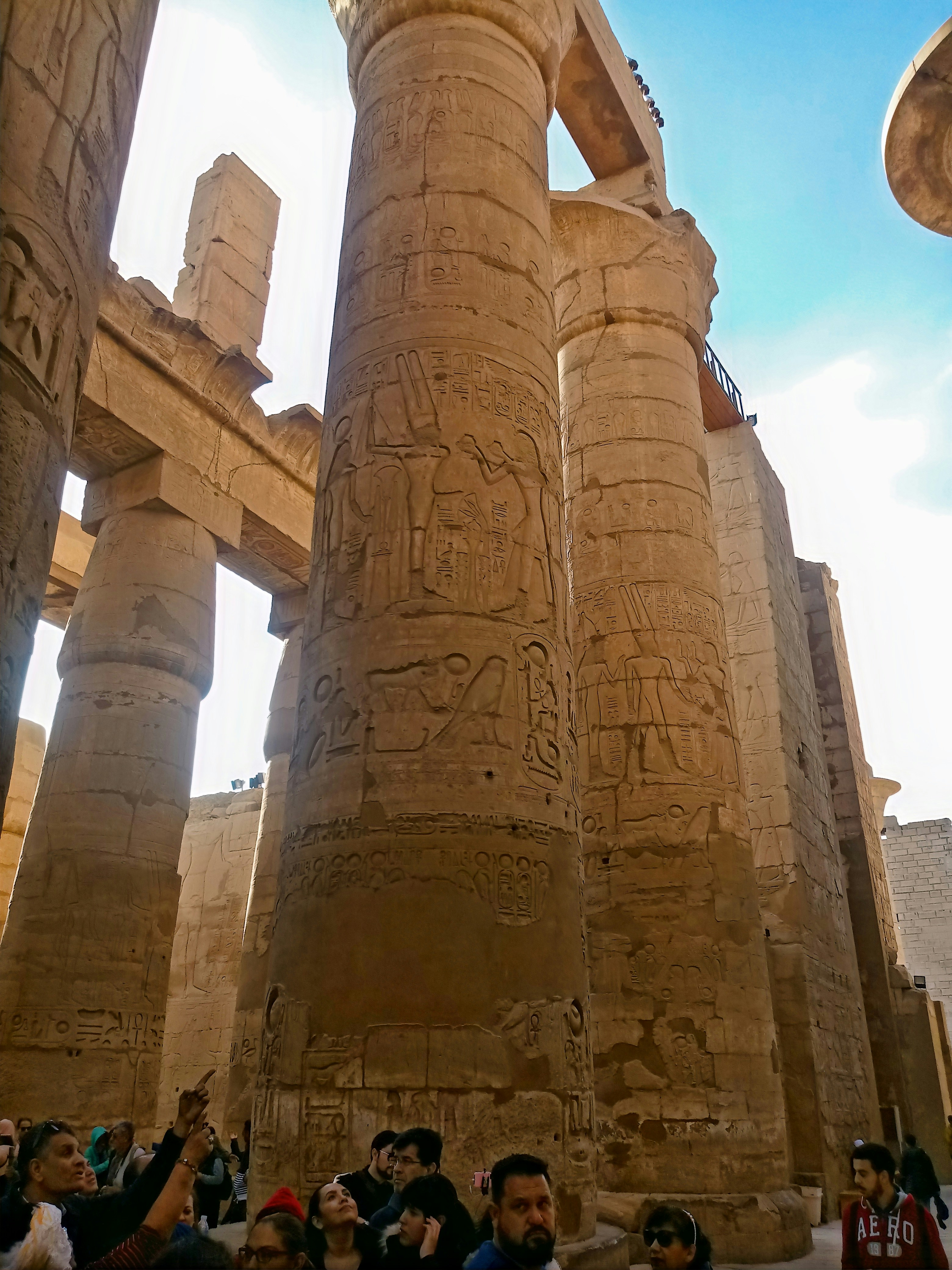
One of the highlights of the temple is the impressive colonnades that line the terraces. These magnificent columns not only provide structural support but also add to the aesthetic appeal of the site. Strolling through the colonnades, visitors can admire the intricate carvings and hieroglyphics that depict various scenes from Hatshepsut’s reign and her divine lineage. The attention to detail in these bas-reliefs serves as a testament to the artistry of ancient Egyptian craftsmen.
For those interested in guided tours, it is highly recommended to book a knowledgeable guide who can provide historical context and enrich the experience with stories of Pharaoh Hatshepsut’s life and accomplishments. Photography enthusiasts will appreciate the unique angles and natural lighting that make for breathtaking pictures, especially during the golden hours of sunrise and sunset.
Besides the temple itself, visitors can explore nearby attractions, such as the Valley of the Kings, where many pharaohs were buried. This proximity allows for a full day of exploration into ancient Egyptian history, making the temple not just a site of beauty but also a gateway to understanding the civilization that built it. Enthusiasts will find that the Temple of Hatshepsut offers a wealth of sights and activities that cater to various interests, enhancing their overall visit.
Practical Visitor Information: Tips for Travelers
The Temple of Hatshepsut is located at Deir el-Bahari, approximately 3 kilometers from the city of Luxor, which serves as the main access point for travelers planning to visit this remarkable ancient site. The temple’s stunning architecture and historical significance attract numerous tourists each year, but to ensure a smooth visit, it is essential to be informed about several practical details.
The temple is open for visitors daily from 6 AM to 5 PM, though during the peak summer months, closing hours may extend. Ticket prices generally range from 100 to 200 EGP for foreign visitors, with discounts available for students. It is advisable to purchase tickets at the entrance to avoid potential long lines.
Travelers have several transportation options to reach the Temple of Hatshepsut. Taxis and private cars are available from Luxor, with prices typically negotiated before the journey. Alternatively, organized tours often include transportation as part of the package. For adventurers, renting a bicycle to ride around the Valley of the Kings and the Temple of Hatshepsut can enhance the experience.
When visiting, it is crucial to observe local cultural etiquette. Dress modestly in respect for the ancient site, and remember that while photography is encouraged, it is respectful to maintain silence and reverence during your visit. Facilities at the site are limited, so it is wise to bring water and snacks, as well as a hat or sunscreen for sun protection.
Nearby dining options are available, including local eateries offering traditional Egyptian fare. This unique combination of visiting the Temple of Hatshepsut and sampling local cuisine can greatly enrich the travel experience in Egypt.