Historical Background of Abu Simbel Temples
The Abu Simbel Temples, remarkable monuments carved into rock, were constructed during the reign of Pharaoh Ramses II in the 13th century BC. This monumental endeavor was not merely an architectural achievement but also a significant political statement. The temples were built to commemorate Ramses II’s victory at the Battle of Kadesh, a pivotal conflict against the Hittites. They symbolize the might of the Pharaoh and serve as a declaration of his strength, both to the Egyptian people and to foreign lands. The grandeur of the temples reflects Ramses II’s desire to immortalize his legacy and assure his place in history.
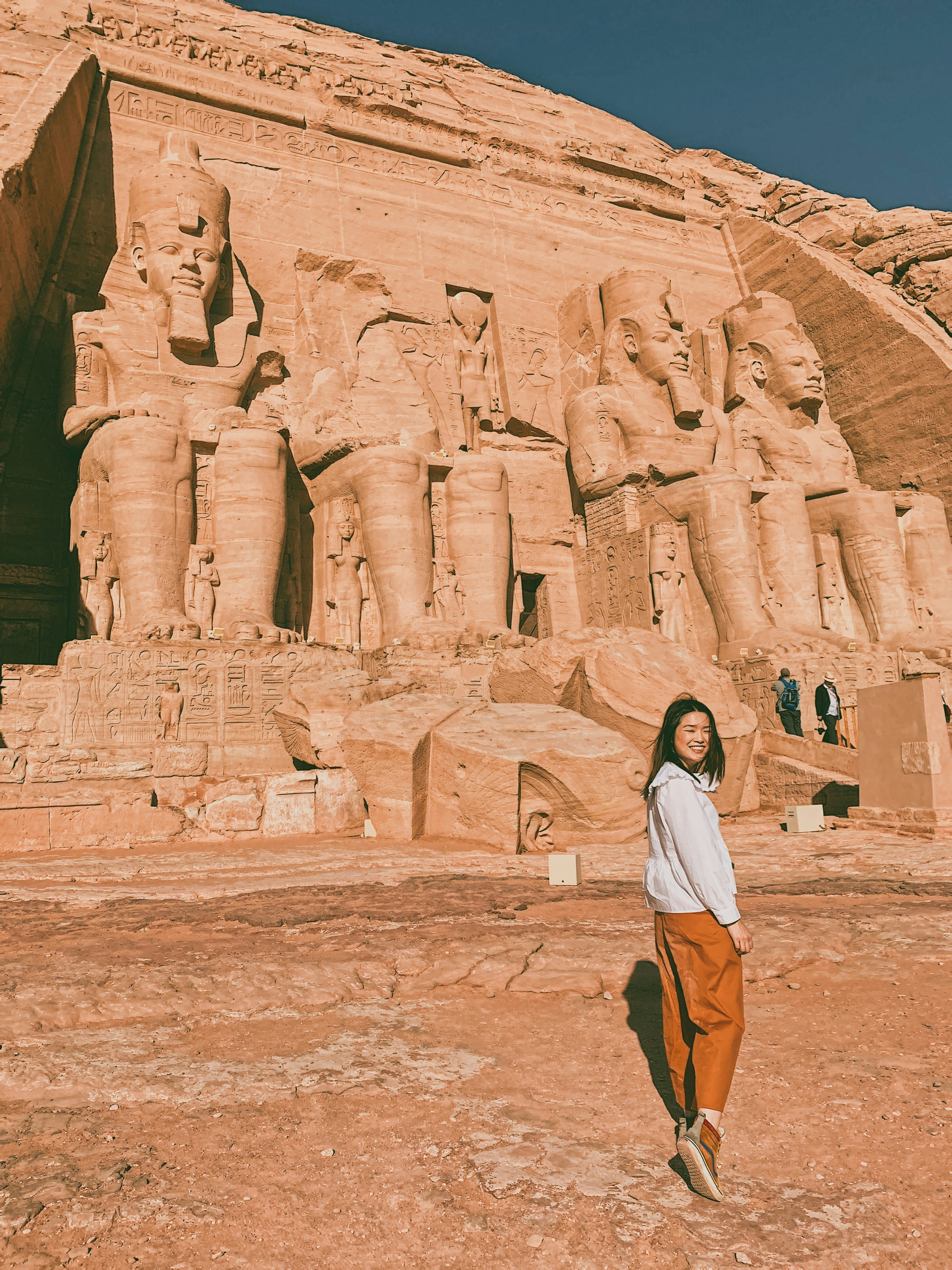
These impressive structures consist of two distinct temples, one dedicated to Ramses II himself and the other to his queen, Nefertari. The larger temple, featuring four colossal statues of the pharaoh at its facade, is a testament to the grandeur and authority of Ramses II. Inside, the temple features intricate carvings and inscriptions that not only depict scenes of the pharaoh’s conquests but also honor the gods of Egypt. Their strategic location near the banks of Lake Nasser further demonstrates the importance of Nile River worship in the cultural practices of ancient Egypt.
However, the historical narrative of the Abu Simbel Temples took a crucial turn in the 1960s. The construction of the Aswan High Dam raised concerns over the inundation of this invaluable site. As a result, an international effort led by UNESCO mobilized to relocate the temples to higher ground, a feat of engineering that preserved this UNESCO World Heritage site for future generations. This relocation highlights the global commitment to preserving cultural heritage, ensuring that the majesty of the Abu Simbel Temples continues to inspire awe among visitors to Egypt.
Cultural Significance of the Temples
The Abu Simbel Temples, carved during the reign of Pharaoh Ramses II, serve as a monumental testament to ancient Egyptian civilization. These temples were constructed not only as places of worship but also as a demonstration of Ramses II’s power and divine right to rule. The larger temple is dedicated to the gods Amun, Ra-Horakhty, and Ptah, while the smaller temple is dedicated to Queen Nefertari and the goddess Hathor, reflecting the integral role of both deities in ancient Egyptian society.
The architectural grandeur of the Abu Simbel Temples is matched by the intricacy of the sculptures and hieroglyphs that adorn their walls. The colossal statues of Ramses II, standing guard at the entrance of the larger temple, represent the pharaoh’s power both in life and after death. The inscriptions narrating the king’s military exploits and divine associations not only symbolize his authority but also serve an educational purpose, informing visitors about the rich history of ancient Egypt.
Moreover, the Abu Simbel Temples possess profound cultural significance that extends beyond their original religious and political functions. They are emblematic of Egypt’s ancient glory and ingenuity, showcasing the advanced engineering techniques utilized by the ancient Egyptians. In modern times, these temples have gained prominence as a symbol of national pride and heritage. Their relocation in the 1960s to escape the rising waters of Lake Nasser after the construction of the Aswan High Dam marked an extraordinary achievement in preserving historical structures.
Today, the Abu Simbel Temples attract tourists and scholars from around the world, who seek to delve into Egypt’s historical legacy. The temples not only serve as a source of inspiration but also as a reminder of the great artistic and architectural achievements of ancient Egypt, fostering a greater appreciation for the cultural history that continues to influence contemporary society.
What to See and Do at Abu Simbel
Visiting the Abu Simbel Temples is a journey into ancient Egyptian history, where majestic structures and intricate artistry captivate every traveler. One of the most striking features upon arrival is the grand entrance, which is flanked by four colossal statues of Ramses II. These remarkable statues, standing at about 20 meters high, serve not only as guardians of the temple but also as a testament to Ramses’ power and divine status. As visitors approach, the sheer scale of these figures commands attention and offers a perfect opportunity for photography.
Inside the Abu Simbel Temples, the interior chambers unveil stunning wall carvings and hieroglyphics that depict the pharaoh’s victories and religious devotion. The Great Temple, dedicated to the sun god Ra-Horakhty, features a sanctuary that only receives sunlight on two days each year, coinciding with Ramses II’s birthday and the coronation. This extraordinary phenomenon, known as the Sun Festival, attracts visitors from all over the world, who gather to witness the awe-inspiring illumination of the inner sanctum.
In addition to exploring the architectural wonders and symbolic artistry, engaging in guided tours is highly recommended. Knowledgeable guides provide context and historical insight that enrich the experience of the Abu Simbel Temples. Furthermore, visitors may choose to participate in photography sessions to capture the grandeur of the temples at different times of the day, especially during sunrise or sunset when the terrain glows with warm colors.
Practical advice includes ensuring adequate hydration, as temperatures can soar during the day, particularly in the summer months. It is wise to wear comfortable shoes, as exploring the site involves some walking. Travelers should not miss the opportunity to visit the nearby Lake Nasser, offering scenic views that enhance the experience of the majestic Abu Simbel Temples.
Practical Visitor Information and Travel Tips
The Abu Simbel Temples, renowned for their grandeur and historical significance, are located in southern Egypt, near the border with Sudan. Specifically, the temples are situated on the western bank of Lake Nasser, approximately 280 kilometers southwest of Aswan. Due to their remote location, careful planning is necessary for an enjoyable visit.
Opening hours for the Abu Simbel Temples typically extend from 6 AM to 6 PM, allowing ample time for exploration. It is advisable to arrive early in the day, especially during the high tourist season, which spans from October to April. Visiting during these months offers temperate weather; however, it can also mean larger crowds. To avoid congestion, consider scheduling your visit on weekdays or during off-peak times.
As for ticket prices, entrance fees vary for international visitors compared to locals. It is essential to check the latest prices before your visit, as they may fluctuate. Tickets can usually be purchased at the entrance or through guided tour packages that often include transportation. Speaking of transportation, there are several options available. Visitors can drive, join a guided tour, or use public transportation, such as buses from Aswan. Guided tours are especially recommended for those who prefer a comprehensive experience with insights provided by knowledgeable guides.
When preparing for your journey to the Abu Simbel Temples, it is wise to pack essentials such as sunscreen, a wide-brimmed hat, and plenty of water to stay hydrated amid the Egyptian sun. Given the cultural significance of the site, visitors are encouraged to observe local customs, such as dressing modestly and being respectful of the serene environment. Additionally, safety should be a priority; staying within designated areas and following guidelines will ensure a secure visit to these iconic temples.