Historical Background of Islamic Cairo
The origins of Islamic Cairo can be traced back to the 10th century when the Fatimid dynasty established the city. This marked the beginning of a rich cultural and historical tapestry that would evolve significantly over the centuries. Founded as a center for learning and commerce, Islamic Cairo quickly became a hub of intellectual and artistic development in the Islamic world.
During the early years of its establishment, Islamic Cairo burgeoned, expanding under the influence of various dynasties. One of the most significant periods was the Mamluk era, which began in the 13th century. The Mamluks transformed the city with their architectural prowess, constructing majestic mosques, schools, and palaces. Notable structures from this time include the Mosque of Sultan Hassan, which exemplifies Mamluk architecture’s grandeur and is a must-see for visitors exploring Islamic Cairo.
Furthermore, the Ottoman Empire left an indelible mark on the landscape of Islamic Cairo, particularly from the 16th century onwards. The Ottomans brought a new architectural style, further enriching the city’s historical fabric. Landmarks such as the Sultan Al-Ghuri Complex and various mosques reflect this period’s influence, showcasing intricate details and vastly beautiful structures that continue to captivate visitors today.
Throughout its history, Islamic Cairo has harbored countless scholars and thinkers, affirming its status as an essential center of knowledge. Al-Azhar University, established in the 10th century, remains a testament to this legacy, recognized as one of the oldest continuing institutions of higher learning in the world. Its influence on Islamic education has been profound, nurturing generations of scholars.
In summary, the historical context of Islamic Cairo is pivotal to understanding its significance today. The intertwining narratives of different dynasties, coupled with the city’s role in advancing Islamic culture and education, render Islamic Cairo a cherished gem in the annals of history.
Cultural Significance of Islamic Cairo
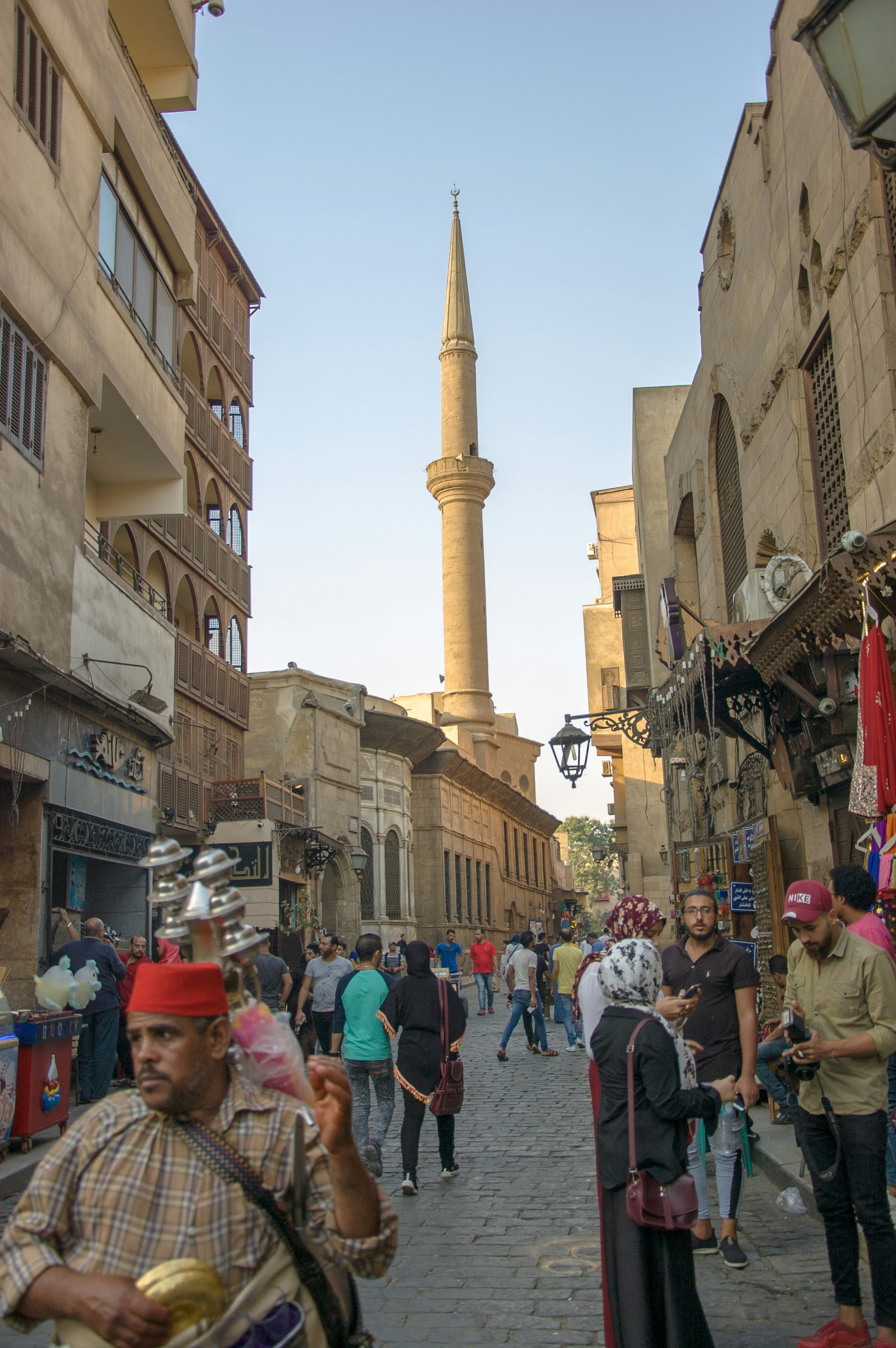
Islamic Cairo stands as a testament to the rich cultural heritage of Egypt, encapsulating a unique blend of Islamic, Coptic, and Mediterranean influences. This historical part of the city is renowned for its breathtaking art, distinctive architecture, and vibrant traditions, making it an essential component of Egypt’s cultural landscape. The intricate designs of its mosques, palaces, and markets not only reflect the skill of ancient artisans but also depict the evolution of architectural styles influenced by various cultures over centuries.
The cultural fabric of Islamic Cairo is woven through its many markets, or souks, which serve as bustling hubs of activity. Here, one can witness an array of goods, from exquisite textiles to handmade crafts, showcasing the craftsmanship prevalent in the region. These markets are not just places for commerce; they are also gathering spots where diverse communities interact, share, and celebrate their heritage. Festivals and events such as the annual Cairo International Film Festival further highlight the cultural dynamism of the area, drawing global artists and filmmakers who contribute to the rich tapestry of artistic expression.
In addition to its artistic offerings, Islamic Cairo is home to numerous cultural festivals that celebrate both historical and contemporary traditions. Events such as the Eid celebrations, Mawlid al-Nabi (the birthday of the Prophet Muhammad), and various music festivals serve to reinforce community bonds and celebrate Egypt’s multifaceted identity. These celebrations enable locals and tourists alike to immerse themselves in the culture, fostering an appreciation for the complexities of life in Islamic Cairo.
The vibrant blend of cultures, ongoing traditions, and artistic expressions found in Islamic Cairo illustrate its role as a living museum. It bridges the gap between the past and present, showcasing Egyptian culture through its markets, music, and festivals, making it an enduring source of pride for its inhabitants and an alluring destination for visitors.
Must-See Attractions and Activities in Islamic Cairo
Islamic Cairo is a vibrant area, brimming with historical significance and cultural richness. A visit to this remarkable locale would be incomplete without exploring its most iconic attractions. First and foremost, the Citadel of Saladin stands as a testament to the city’s storied past. This medieval fortress offers stunning panoramic views of the surrounding area and houses several important mosques, including the Mosque of Muhammad Ali. Known for its striking architecture and impressive dome, this mosque is a must-see for any visitor.
Another highlight is the bustling Khan el-Khalili bazaar, one of the oldest markets in the Middle East. Strolling through its labyrinthine alleyways provides a sensory feast of sights, sounds, and aromas. Shop for authentic handicrafts, spices, and souvenirs, and experience the vibrant local culture. The bazaar is also an excellent spot to sample traditional Egyptian food and beverages at one of the many cafes dotted around the market.
For those interested in religious landmarks, Islamic Cairo offers an array of historic mosques and schools, such as the Al-Azhar Mosque and the Islamic Cairo School of Arts, both showcasing the intricate architectural styles of various periods. To fully immerse oneself in this heritage, consider participating in guided tours that delve into the history and significance of each site.
Furthermore, cultural performances, including traditional music and dance, are often held in nearby venues, providing a delightful glimpse into the local arts scene. Whether exploring ancient sites or enjoying contemporary cultural expressions, visitors are sure to create lasting memories in Islamic Cairo.
Practical Visitor Information and Travel Tips
Visiting Islamic Cairo offers a unique glimpse into the rich tapestry of Egypt’s cultural and historical past. Whether you are exploring its ancient mosques, vibrant bazaars, or stunning architecture, being well-prepared can enhance the experience significantly. Located at the heart of Cairo, Islamic Cairo is easily accessible by various means of transportation. The area can be reached using the Cairo Metro; the nearest station is “Shuhada”, which is a short taxi ride away from key attractions.
When planning your visit, it is recommended to check the opening hours of major sites. For instance, the historic Citadel of Saladin is generally open from 9 AM to 5 PM, while the famous Al-Azhar Mosque welcomes visitors between 9 AM and 4 PM. Entry fees are modest, typically ranging from 20 to 100 Egyptian pounds depending on the site. It’s wise to carry some cash to manage smaller purchases, as not all vendors accept credit cards.
The best times to visit Islamic Cairo are during the cooler months from October to April. This period allows for a comfortable exploration of the streets and markets. Additionally, it is advisable to dress modestly, as local customs emphasize modest attire, especially when visiting religious sites. When navigating the bustling streets, consider hiring a local guide who can provide historical context and assist with accommodations.
Facilities such as restrooms and ATMs are available in most tourist areas, but they can be sparse in more remote locations. Restrooms may often be found in larger establishments like cafes or museums. It is beneficial to have some tissues or hand sanitizer on hand, as not all public restrooms are stocked. Overall, with proper planning and awareness of local customs, your journey through Islamic Cairo can be both enriching and smooth.